
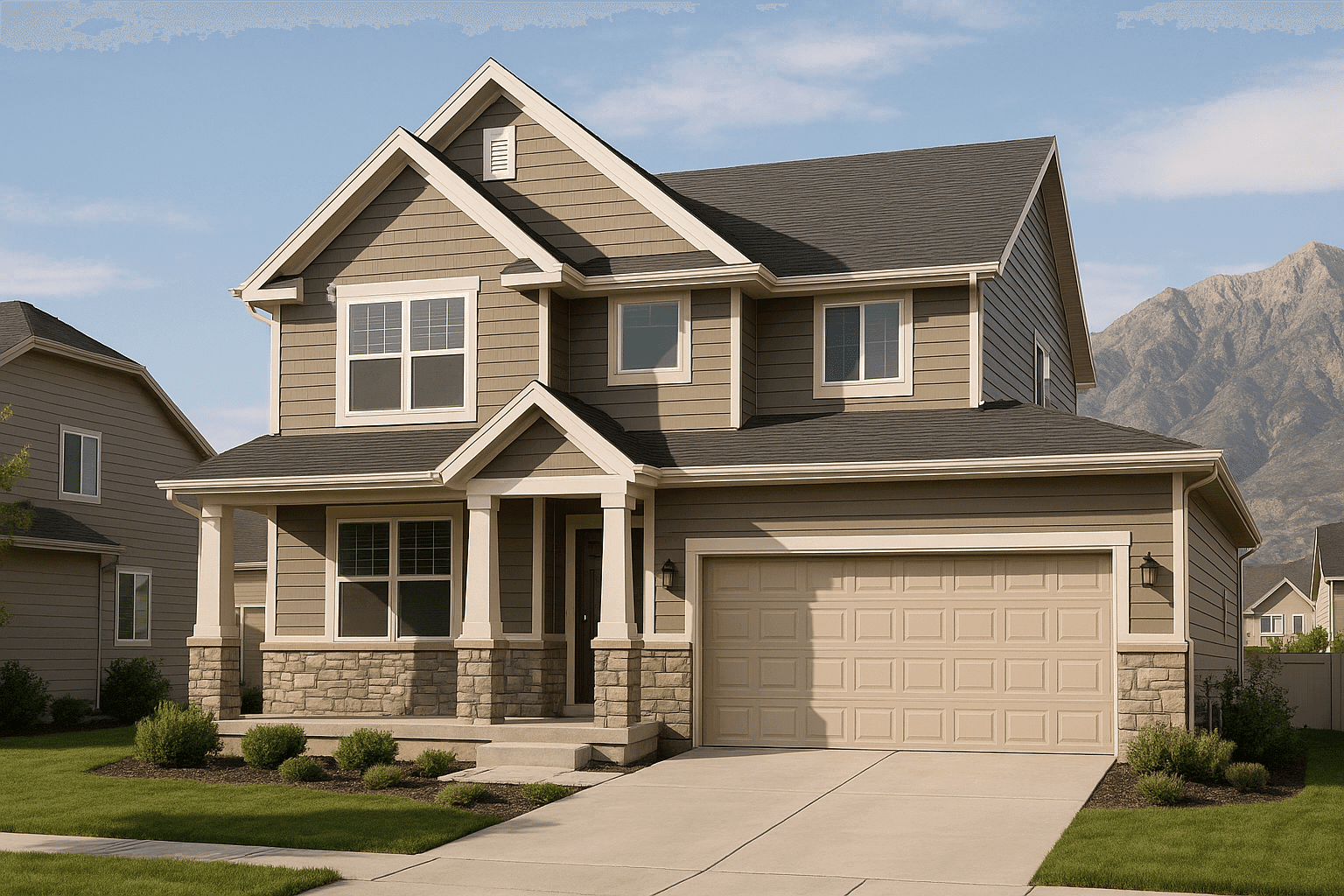
Choosing a local siding company might sound simple—call two firms, pick a price, schedule the work—but anyone who’s lived through a Salt Lake City snowstorm knows it’s not that simple. You want siding that lasts, installers who know our freeze-thaw drama, and a team that handles permits, warranties, and clean-up without drama. This guide is for homeowners and business owners around Salt Lake City, UT who want real durability, honest advice, and a smooth project from estimate to final inspection. Let me explain what matters—materials, installation, paperwork, and the little details that keep water out and comfort in.
Why local knowledge really matters (yes, it’s more than geography)
Salt Lake City has sun, wind, ice, and occasional bomber storms. That means siding gets tested: expansion from heat, contraction from cold, and moisture that wants to find any weak seam. A national chain might sell you a great product, but a local crew knows how to detail corners, flash windows, and prep sheathing for our specific climate.
You know what? Familiarity with local building codes and the Utah Division of Occupational and Professional Licensing (DOPL) saves headaches. Permits, inspections, HOA rules—someone who’s done this around the valley before will get those boxes checked fast. It’s the kind of thing you only notice when something goes wrong; better to avoid that, right?
Materials: pick a siding that fits your life (and your budget)
Materials are where taste meets science. Each choice has trade-offs: costs, maintenance, durability, and curb appeal. Here’s a quick look at common options:
| Material | Typical Lifespan | Notes |
|---|---|---|
| Vinyl | 20–30 years | Low maintenance, cost-effective; watch for expansion in heat. |
| Fiber cement (e.g., James Hardie) | 30–50 years | Durable, fire-resistant, needs repainting over decades; heavier to install. |
| Engineered wood | 25–40 years | Looks like real wood; keep paint and caulk current. |
See? No perfect answer. Sometimes cheaper materials make sense for a rental property; other times a homeowner wants the premium look and lifespan of fiber cement. Honest installers will help you weigh that—don’t let style trump structure.
Installation: the difference between a quick job and a job that lasts
Here’s the thing—siding is only as good as the work behind it. You can buy top-tier siding, but if flashing is sloppy or the housewrap is missing, water will find a way in. That’s brutal but true.
Critical installation elements include proper sheathing prep, continuous housewrap (brands like Tyvek), correctly installed flashing at windows and doors, and the right fasteners—stainless or hot-dipped galvanized where needed. Ventilation and trim details matter, too. If you’ve seen peeling paint or swollen trim, you’ve seen the aftermath of corners cut.
Also, skilled crews understand substrate differences—brick, stucco, or OSB—and adapt. They don’t install the same way on every house; they adjust. That adaptability is local knowledge at work.
Licensing, insurance, and warranties—don’t skip this part
Contracts and paperwork are boring, but they protect you. Ask for proof of liability insurance and workers’ compensation. Check contractor licensing with DOPL. A solid company will happily provide those documents and a written warranty for workmanship in addition to the manufacturer’s warranty.
Manufacturer warranties (for siding like James Hardie or CertainTeed) cover product failure; workmanship warranties cover installation mistakes. Both matter. And ask about transferability if you plan to sell the house; buyers notice transferable warranties.
Estimating cost without getting blindsided
Price is important—obviously—but clarity beats a low number that hides extras. Get multiple written estimates; ask them to list materials, labor, permit fees, cleanup, and any potential additional costs (like rotten sheathing replacement).
What to look for in an estimate:
Clear scope: Exactly what’s being replaced and what isn’t.
Materials list: Brands and profiles (e.g., Hardie lap, 7″ reveal).
Timeline: Start date, expected duration, and weather allowances.
Payment terms: Deposit amount and schedule; no huge up-front sums.
Warranty details: Manufacturer vs workmanship, length, and coverage.
Honest crews will explain allowances for surprises—because houses are old, and sometimes rot hides behind the siding. They’ll also explain change orders, so you’re not shocked when a wall needs repair.
Timeline, logistics, and the human stuff
Season affects scheduling. Spring and late summer are busy. Winter work is possible but may require special care (freezing adhesives, etc.). Ask about lead times for materials—some fiber cement colors have longer waits—so you don’t delay your project.
Communication matters as much as craftsmanship. Will the crew have a project manager? Who’s your point of contact? How will they protect landscaping, walkways, and parked cars? Simple questions. Simple peace of mind.
Red flags and smart questions to ask
Not every cheap quote is a scam, and not every expensive bid is gold. That’s the mild contradiction you’ll see a lot—price alone doesn’t tell you the whole story. Still, there are clear red flags:
No proof of insurance: Walk away.
High-pressure sales: If someone needs a decision now for a “special price,” be skeptical.
Vague or no contract: Insist on written specifics.
Excessive upfront payment: Standard is a modest deposit; large upfront sums are risky.
Ask these questions: How long have you worked in Salt Lake City? Can I see recent local references? Who’s doing the installation—the company’s crew or subs? Do you handle permits? What happens if unexpected rot is found?
A short note on aesthetics, HOAs, and neighborhood fit
Sometimes the right choice isn’t just about weather and warranties. HOAs in Salt Lake City or nearby suburbs have rules about color and material. Historic neighborhoods may require certain profiles or wood-look alternatives. Choose a contractor who can help with color samples, mock-ups, and HOA submissions—someone who knows local taste and the neighborhood’s “look.”
Why Utah Siding & Exteriors? A practical look at our approach
We’re local—that matters. Our crews work in Salt Lake City year-round, so we know what works here. We use trusted products (James Hardie, CertainTeed, Tyvek) and back installations with a clear workmanship warranty. We handle permits, debris removal, and the little follow-up items that matter—trim caulk, paint touch-ups, nail pops—because those small things keep your walls dry and looking good for years.
You’ll get clear estimates, a project manager who answers questions, and a team that treats your property like it’s our own. Honestly, we prefer that kind of pride in the work.
Ready to protect your investment? Let’s talk.
If you want a straightforward conversation about options, timelines, and a fair price—call us at 801-509-9241. We’ll schedule a free on-site estimate, review materials, and show examples from jobs right here in Salt Lake City. Prefer to start online? Click Request a Free Quote and we’ll get back to you quickly with next steps.
Whether you’re replacing worn siding, updating curb appeal, or managing a business property, the right local team makes all the difference. Give us a call or request a free quote—let’s make sure your siding keeps you dry, efficient, and looking great for years to come.