
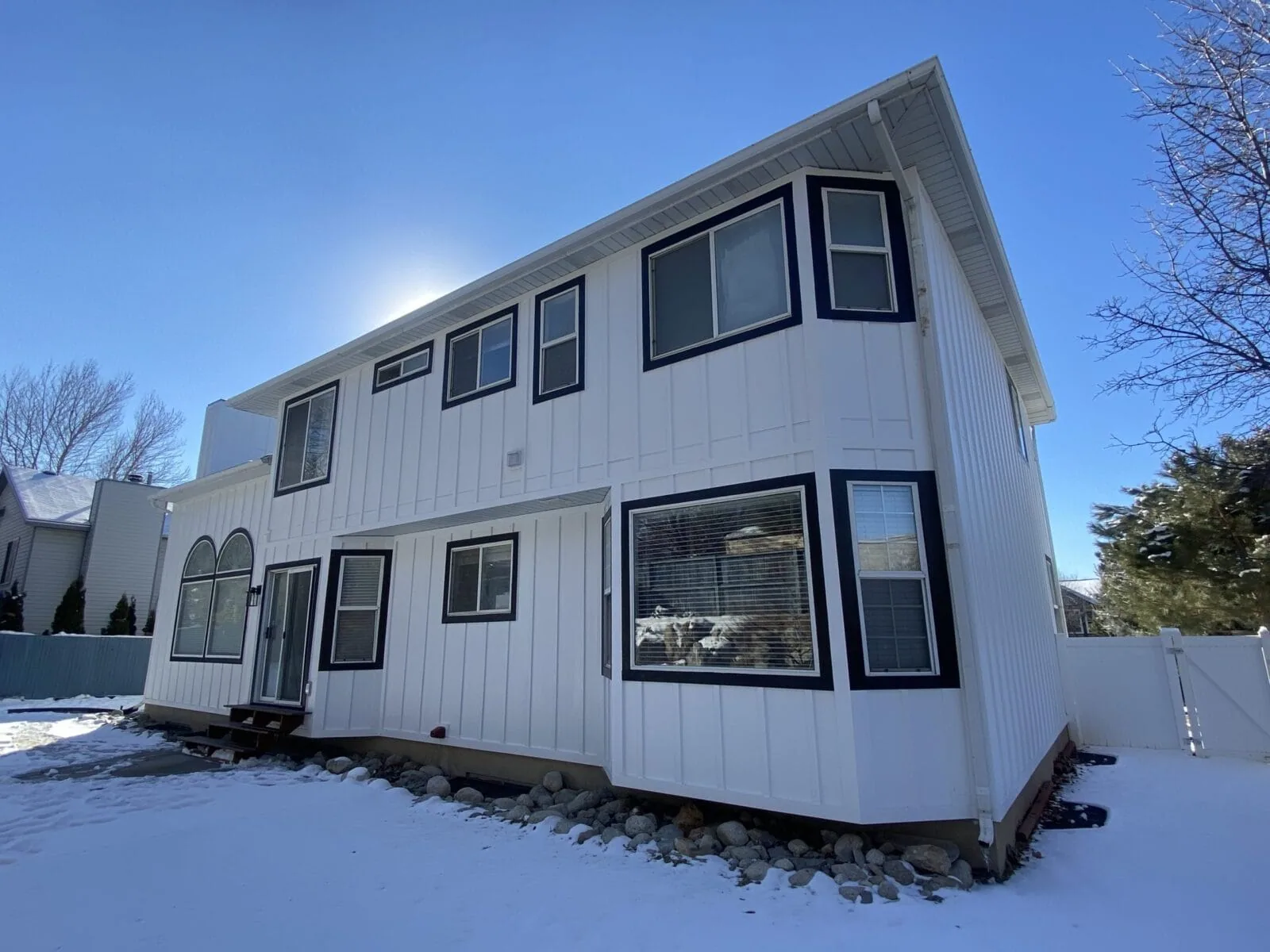
Siding Removal Service
Plan siding tear-off as part of the exterior you want next. Clarify removal, disposal, wall assessment and temporary protection before an existing finish comes off.
- A good fit for
- Replacement projects and exterior conversions needing tear-off.
- Plan the scope
- Removal, disposal, exposed-wall review and the next finish.
- Useful first details
- The existing cladding, planned replacement and access constraints.
Removal and replacement should be planned together.
Taking off old siding changes more than the appearance of a wall. Cladding, trim, fasteners and layers behind the finish need to be considered alongside the next material. Knowing what will replace the existing surface helps define where removal begins and ends, what can be retained and what preparation follows.
For a replacement project, agree on who is responsible for tear-off, disposal, temporary protection and the newly exposed wall. If different contractors handle removal and installation, coordinate the handoff before work starts. A wall should not be left between phases without a clear plan for protection and the next step.
- Full tear-off for a siding replacement.
- Selected elevations or areas within a larger exterior scope.
- Removal coordinated with an addition or change of material.
- Trim and accessory removal identified separately from wall cladding.
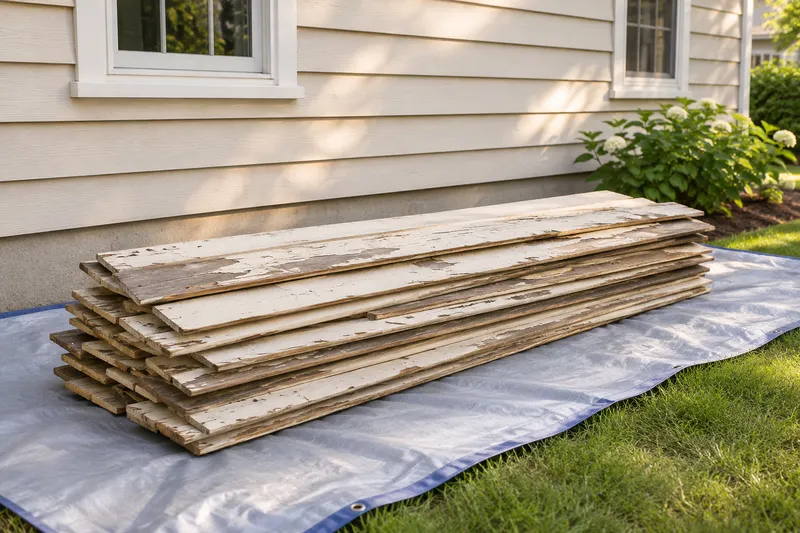
Consider access, protection and disposal.
Wall height, side-yard clearance, landscaping, patios and the location of entrances affect how removal can be organized. Occupied homes may need particular access routes kept usable. Share those practical limits when requesting the estimate rather than leaving them until equipment arrives.
The scope should state what is removed and who takes the material away. Ask about containers or staging areas, protection of nearby surfaces and cleanup around the work area. Reuse of trim or accessories depends on condition and how they are attached; it should be assessed before it becomes an assumption in the quote.
Inspect what the old finish was hiding.
Removing cladding may reveal damaged sheathing, moisture staining, earlier repairs or details that are not suitable for the new system. Those conditions can change the preparation needed. The initial estimate should distinguish visible, known work from conditions that can only be assessed after removal.
Agree on how new findings are documented and how any additional repair is discussed and approved. It is useful to know who will review the exposed surface and which trade owns necessary repairs before new siding is installed. Removal alone does not establish that the wall is ready for another finish.
Older materials need an appropriate assessment.
Do not identify hazardous materials from color, texture or a photograph alone. Depending on the age and composition of the exterior, qualified assessment and appropriate handling may be needed before disturbing coatings or cladding. Testing and specialist work should be addressed separately when relevant.
Avoid cutting, breaking or pulling off material to investigate before the scope is understood. Explain what you know about the exterior and any prior reports. Product-specific preparation and applicable requirements need to be considered for the actual wall rather than inferred from the general category of siding.
Ask for a complete removal scope.
A useful proposal identifies the elevations, trim and accessories involved, disposal responsibilities, access arrangements, preparation and the process for concealed conditions. These details help you compare removal within a replacement quote with a separately priced tear-off.
Let R&JL Exteriors know the whole project, including the intended new siding and other planned exterior work. Standalone removal availability is confirmed for the specific request. You can begin the discussion without exact wall measurements, but the existing material and the plan for the exposed wall are important starting points.
Before you begin.
Can I request siding removal without new siding?
Describe the full project and who will handle the next wall finish. Standalone removal availability and the handoff requirements are confirmed for the individual request.
Does removal include disposal?
It should be specified in the written scope. Check which materials are included, who supplies any container and what cleanup is provided rather than assuming every tear-off price includes the same disposal work.
Can existing trim be saved?
That depends on condition, attachment and compatibility with the next siding system. Discuss reuse before removal so the proposal can set realistic expectations.
What if the wall is damaged underneath?
The scope should explain how exposed conditions are assessed, documented and approved for repair. The full wall condition may not be visible until the existing cladding is removed.
Should I remove a sample before requesting an estimate?
No. Avoid disturbing old cladding or coatings. Tell the team what you know about the material and mention any existing records or spare pieces that may help identify it.
Your home. A more beautiful exterior.
Tell us what you have in mind. Start with a free on-site estimate.