
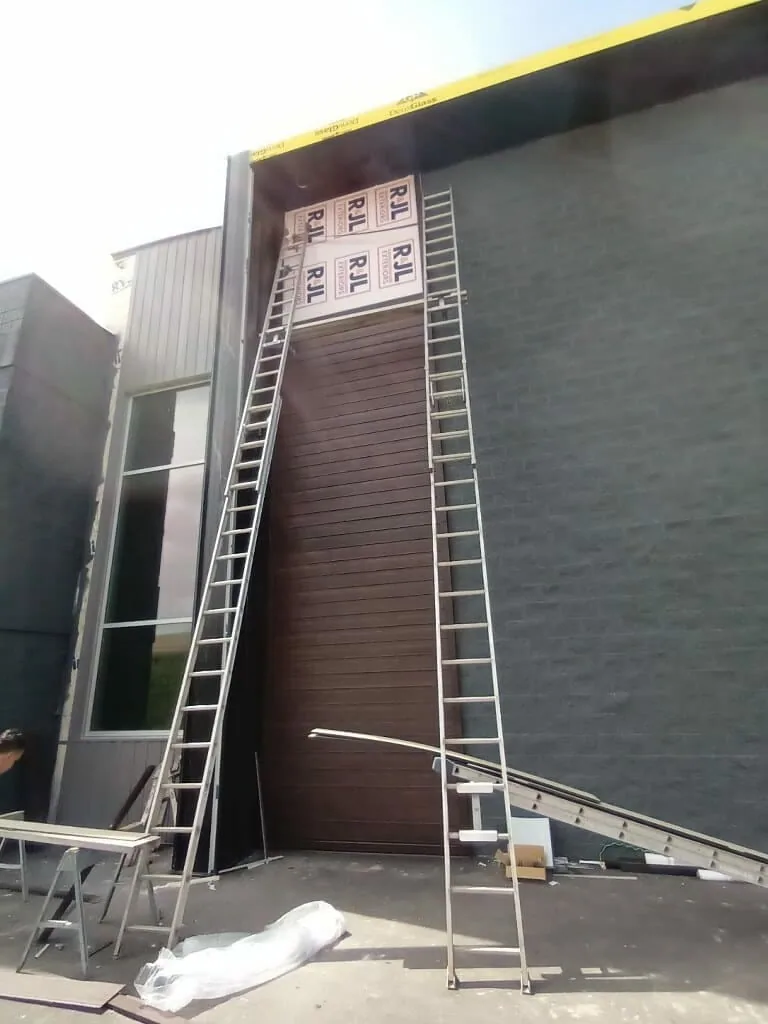
A better exterior in Utah County.
A thoughtful exterior for your Utah County project.
Start with your Utah County property.
New installation and replacement call for different preparation. Tell us if the wall is part of a new build, an addition, or an occupied home so access and construction sequence can be considered.
Tell us the city, ZIP and construction stage. A finished occupied wall, a framed addition and a new build need different assessment and coordination.
Match the siding plan to the construction stage.
On new work, identify who is responsible for sheathing, the water-control layer and window flashing before the cladding arrives. A material selection should not leave those responsibilities undecided.
On a renovation, allow for inspection after removal. Ask how concealed damage will be documented and how repairs will be approved before new siding covers the wall.
Prepare a useful estimate request.
Mention whether windows, roofing, insulation or other trades are also being changed. A coordinated sequence can help avoid work being installed and then disturbed for another part of the project.
Use the official county building resource to identify relevant contacts, then confirm the jurisdiction for the property. City and county approvals should not be assumed interchangeable.
Before you begin.
What information helps for a new build?
Give the location and construction stage, plus the intended cladding and any available elevations. Confirm who is responsible for wall preparation and opening flashings.
Can a renovation quote account for concealed damage?
Ask what inspection follows removal and how additional repairs are documented and approved. An allowance is not a guarantee of the condition behind existing cladding.
Should window changes be mentioned?
Yes. Window depth, trim and flashing affect how siding is prepared and installed around openings.
Your home. A more beautiful exterior.
Tell us what you have in mind. Start with a free on-site estimate.