
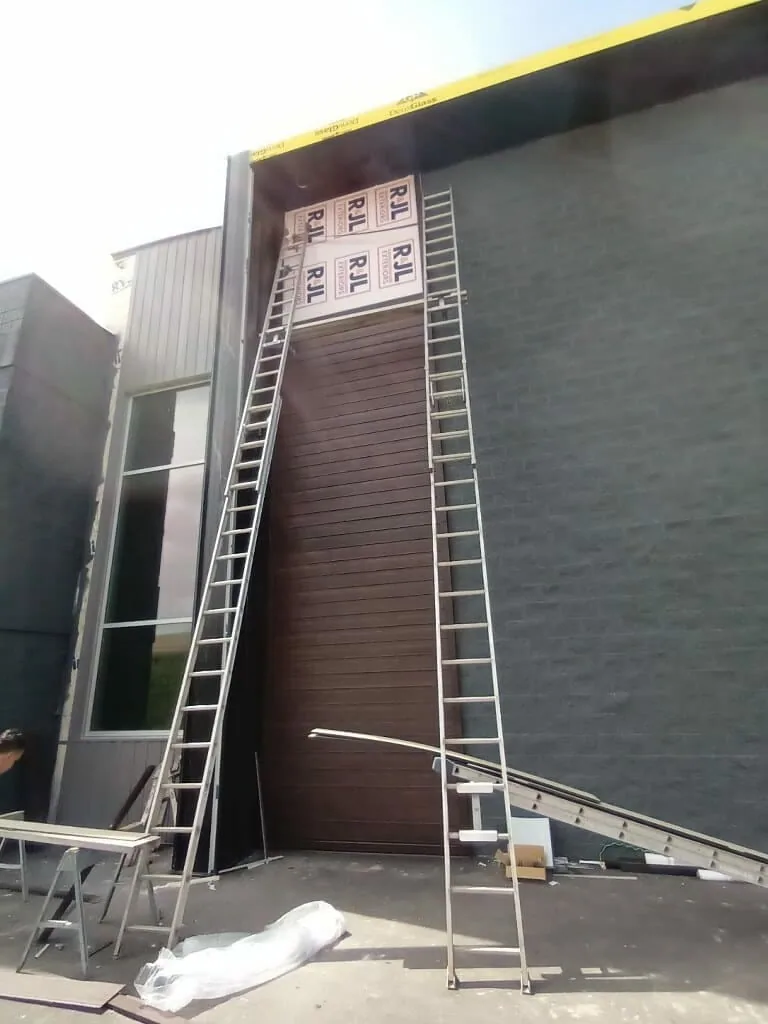
Siding repair starts with the right assessment.
Get a damaged, loose or missing area of siding assessed before choosing a repair. The material, cause of the damage and availability of a matching panel determine the most practical next step.
- A good fit for
- An isolated damaged area or a specific siding concern.
- Plan the scope
- The cause, surrounding wall and availability of matching parts.
- Useful first details
- The material if known, affected area and any recurring symptoms.
A local repair starts with the cause.
A loose corner, cracked panel or small damaged area may be a good candidate for repair. First, the material and surrounding assembly need to be understood. Impact damage, attachment problems and recurring moisture symptoms call for different responses, even when the visible area is small.
Describe what you have noticed and when it changed. Mention earlier repairs, wind-related movement or water appearing near the affected wall. A close view of the damage and a wider view of the elevation are both useful. There is no need to remove a panel or disturb a damaged surface just to collect a sample.
- Loose or missing panels and damaged corners.
- Localized cracks, dents or impact damage.
- Repeated problems around the same opening or junction.
- A small area that needs assessment before a larger renovation.
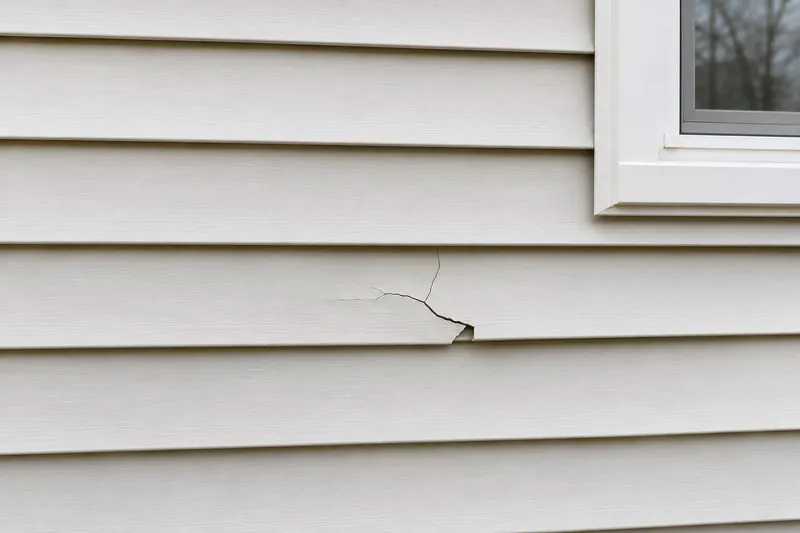
Matching involves more than the color name.
Siding profiles can vary in shape, exposure, thickness and texture. A product may have been discontinued, and years of weathering can make a new piece look different from the rest of the wall. A similar color does not establish that a replacement panel will fit or blend into the existing system.
If you have leftover material, a product label or records from the original installation, mention them. Those details can help identify possible components. The repair discussion should set realistic expectations about the match and consider where a larger, cleaner transition might be preferable to a conspicuous small patch.
When a larger scope makes more sense.
A localized repair may not address widespread deterioration or a problem behind the siding. Repeated failures, damaged surrounding material or unavailable matching components can make an elevation replacement more practical. That does not mean every blemish requires new siding across the whole house.
Ask what the proposed repair fixes, what existing material remains and whether further investigation is needed. If the issue involves water, identify the source and the relevant flashing or drainage details rather than assuming the visible panel alone is responsible. A site-specific assessment is more useful than a universal repair rule.
What affects a repair estimate?
Access and setup can matter as much as the size of the damaged area. Upper-story work, removal of adjacent pieces, specialty trim and material sourcing can all change the scope. The condition of nearby panels also affects how far the work must extend.
The written proposal should describe the affected area, replacement material or repair approach, finish expectations, cleanup and any exclusions. Accepted repair types, project size and availability are confirmed after the request is reviewed. Photos help start the discussion but cannot establish concealed conditions or a guaranteed match.
What to do before contacting the team.
Make notes from a safe, accessible position. Record when the problem began, which side of the house is affected and whether it changes during rain or wind. Mention nearby gutter issues or previous repairs. If you have photographs, describe them in Project Details so sharing can be arranged.
Do not climb onto a damaged roof edge or remove cladding to investigate. Active water entering the home may require a separate immediate response. The estimate form starts a project discussion; it is not an emergency-dispatch service. R&JL Exteriors confirms whether the requested repair is a fit before work is agreed.
Before you begin.
Can a single siding panel be replaced?
It depends on the panel system, access, condition of adjacent pieces and availability of a compatible replacement. A small visible area does not always mean only one piece needs to be disturbed.
Can you guarantee an exact color match?
The existing product and weathering need to be reviewed first. Even a new panel with the same original color name may look different from siding that has been exposed for years.
Can you repair vinyl, aluminum or fiber cement?
Describe the existing material and damage in your request. Repair suitability and accepted project scope depend on the specific system, available parts and surrounding wall condition.
Should I remove a damaged piece for identification?
No. Avoid disturbing the wall or creating a larger opening. Describe the issue and mention any existing spare pieces, labels or installation records instead.
Can I get a price without an on-site visit?
A description and photos can help establish project fit, but height, access, attachment and concealed conditions may require an on-site assessment before a reliable scope is prepared.
Your home. A more beautiful exterior.
Tell us what you have in mind. Start with a free on-site estimate.