
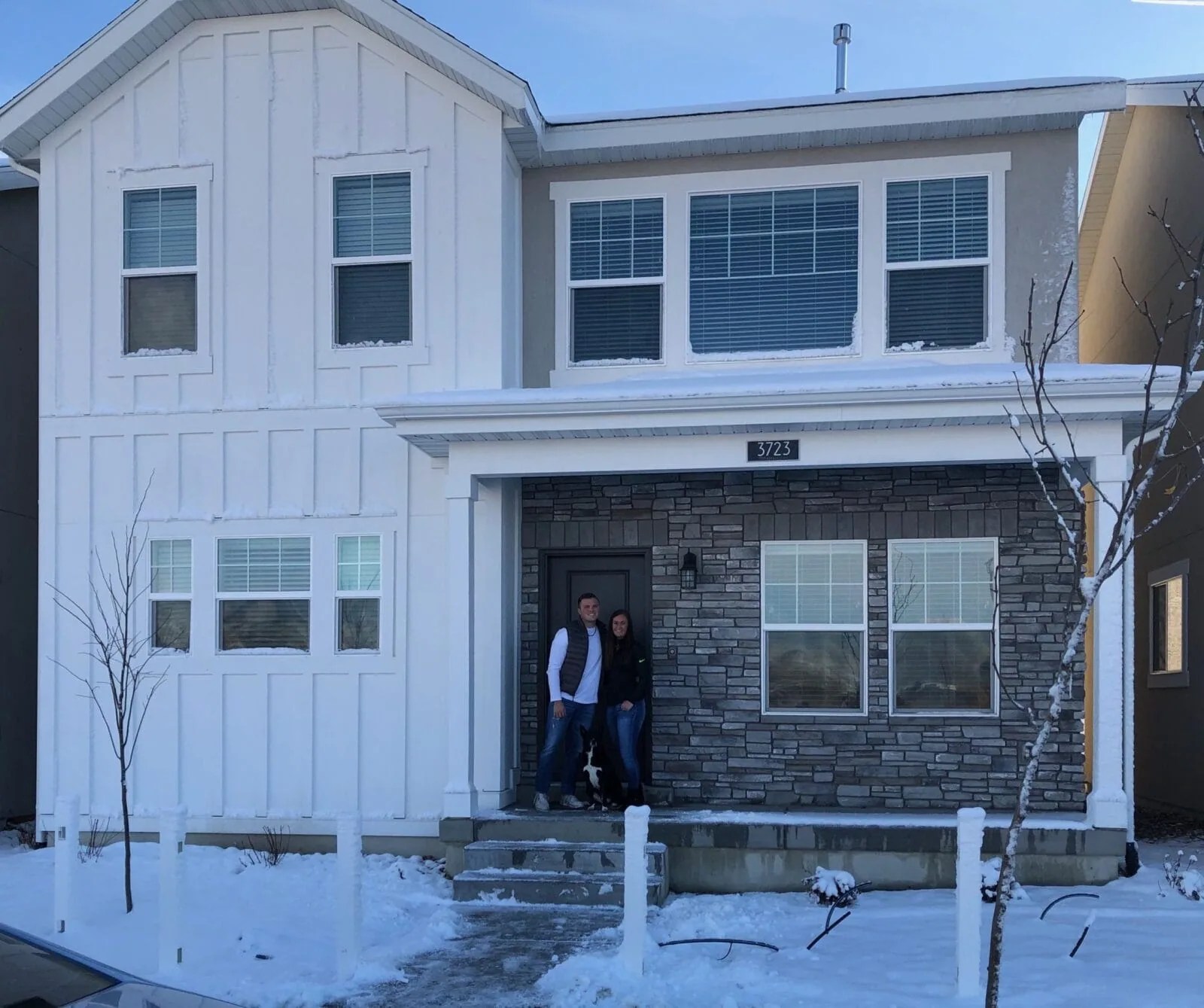
Gutters with a clear path forward.
Include leaking, overflowing or worn gutters in your exterior plan. Review the roof edge, downspout routing and discharge so any proposed work addresses the problem rather than just the visible gutter.
- A good fit for
- Drainage concerns or gutter coordination with siding and fascia.
- Plan the scope
- Condition, attachment, downspouts and the path water takes.
- Useful first details
- Where water appears, when it happens and any planned exterior work.
Follow the water, not just the gutter.
Gutters collect roof runoff and carry it toward downspouts, but the useful question is where that water goes next. Condition, alignment, attachment, downspout connections and discharge location all affect the system. A leaking joint and an overflowing section may have different causes.
Describe the symptom and location rather than choosing a replacement system first. Water behind the gutter, stains on fascia, overflow at a corner or pooling below a downspout are different starting points for assessment. Mention whether the issue is new, recurring or tied to a particular area of the roof.
- Overflow or leaks at an identifiable section or joint.
- Loose, damaged or deteriorated gutter components.
- Concerns about downspout routing and discharge.
- Gutter changes coordinated with fascia or siding work.
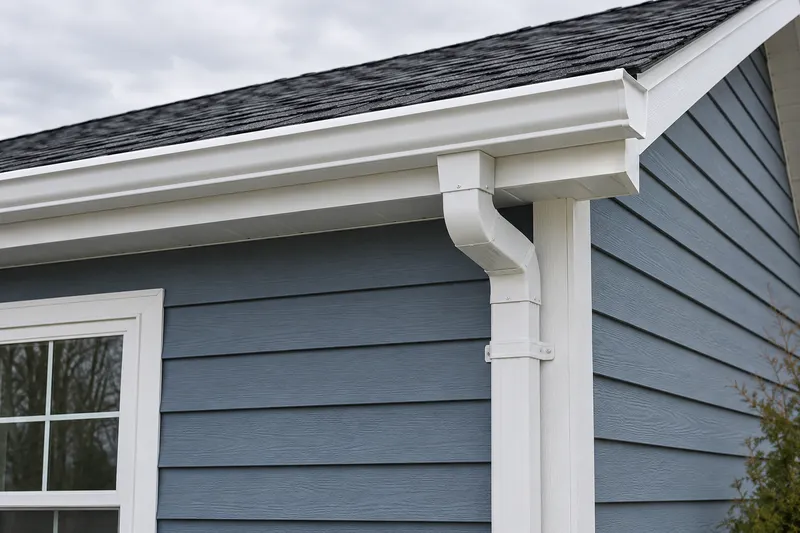
Check the roof edge and attachment surface.
A gutter depends on the surface and attachments that support it. If the fascia or nearby roof-edge material is damaged, changing the visible gutter may not resolve the underlying issue. Staining should prompt a review of the cause rather than being treated as proof of one particular failure.
Ask whether the proposal includes repair of the attachment surface, removal of existing components and reinstallation around other exterior work. If roofing or soffit and fascia work is also planned, the installation sequence should account for those connections. Each item should have a clear owner in the agreed scope.
Plan downspouts and discharge for the property.
Downspout placement affects how water travels around entrances, paths, landscaping and the base of the home. Roof layout and the area being drained help shape the system, while the ground and other property conditions influence what happens after water leaves it.
Describe the areas where runoff is creating a concern. New gutters alone cannot correct every grading or site-drainage issue. The assessment may need to distinguish gutter work from other drainage improvements so the proposal does not promise an outcome that depends on unrelated conditions.
Coordinate gutters with the siding project.
When siding or fascia is being replaced, existing gutters and downspouts can affect access and the finishing sequence. Agree on which components will be removed, retained or replaced before work begins. That is more useful than assuming every siding quote already includes a new gutter system.
Discuss material, color and available system options with the estimate. The proposal should identify the actual components and work being offered. If accessories are being considered, ask how they fit the property and what care and written terms apply rather than relying on a broad performance promise.
What the gutter estimate should make clear.
Roof-edge length, height, access, number and position of downspouts, existing condition and related fascia repairs can affect the work. Removal, disposal and any changes to routing should be described alongside the proposed new components.
Include gutter concerns in your project request so R&JL Exteriors can confirm scope and availability. You do not need to calculate the roof's drainage requirements yourself. Clear observations about where water goes wrong, and any other planned exterior work, give the team a more useful starting point.
Before you begin.
Are gutters automatically included in siding replacement?
No. Ask whether removal, reinstallation or replacement is included in the written scope, along with any work on fascia or attachment surfaces.
Does an overflowing gutter mean it must be replaced?
Not necessarily. The cause and condition need assessment. Describe where it happens and any recurring symptoms so repair, replacement or related work can be considered appropriately.
Will new gutters stop water collecting near the house?
That depends on the source and the wider drainage conditions. Downspout routing, discharge, grading and other property details can matter as well as the gutter itself.
Can downspouts be moved?
Discuss the locations you want changed and any constraints around paths, doors or landscaping. The proposed arrangement needs to suit the roof and the property, not simply the preferred appearance.
Do you offer a particular gutter system or guard?
Ask about the options available for your project. The selected system, accessories, care requirements and written terms should be confirmed in the proposal rather than assumed from a general service description.
Your home. A more beautiful exterior.
Tell us what you have in mind. Start with a free on-site estimate.