Thinking about tackling metal siding yourself? You’re not alone. Plenty of Salt Lake City homeowners and small business owners want a durable, modern exterior without the wait. Good news: with the right plan, a clear layout, and a few trade tricks, DIY metal siding can absolutely look pro. Here’s the thing—Utah’s sun, snow, and wind ask a lot from your walls. So let’s talk through smart choices, simple methods, and the stuff even seasoned installers keep in their back pockets.
Why metal siding works so well along the Wasatch Front
Metal siding in Salt Lake City makes a lot of sense. It resists fire, sheds snow, and shrugs off summer heat. Think about our daily swings—from chilly mornings to warm afternoons and back again. Quality steel or aluminum panels handle those temperature shifts with less swelling than wood and less warping pressure on your fasteners. It’s also low maintenance. Give it a rinse once or twice a year, and you’re back to hiking the Avenues or catching a game instead of scraping and painting.
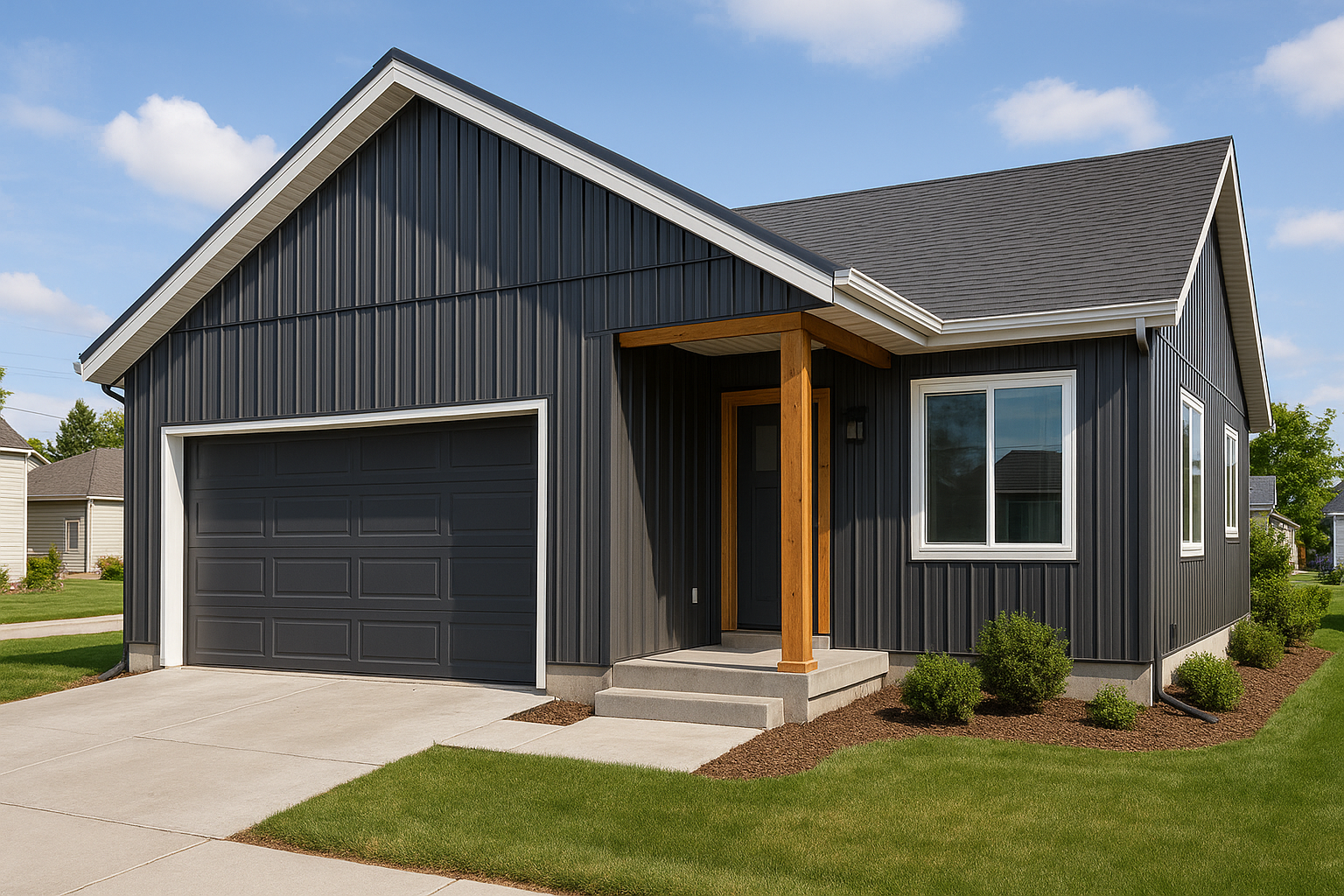
For commercial buildings along State Street or neighborhood shops in Sugar House, standing seam or flat-lock profiles give a clean, modern look that also stands up to foot traffic splashes and errant shopping carts. Residential folks love the mix-and-match approach: board-and-batten fiber cement on the front, corrugated metal siding accents on the gables, and you’ve got curb appeal with some grit. And yes, metal is recyclable; your scrap doesn’t have to go to waste. That’s a quiet win for the valley.
Pick your panel: which metal and which finish?
Let me explain something installers talk about a lot: metal, coating, and profile are a team. Get the team right, and the job goes smoothly. Get it wrong, and you’ll fight oil-canning, rust, or paint fade.
| Material | Pros | Watch-outs |
|---|---|---|
| Galvanized or Galvalume Steel (26–24 ga) | Strong, budget-friendly, great color range with PVDF | Cut edges need care; heavier to lift; magnetizes dust |
| Aluminum | Lightweight, rust-proof, solid near sprinklers and planters | Softer; can dent if you’re rough with ladders |
| Zinc or Copper | Beautiful patina; long life; premium look | Pricey; special flashing details; mind galvanic reactions |
Coatings matter. For Utah sun, PVDF (often sold as Kynar 500) keeps color truer longer than SMP. Profiles? Standing seam is sleek and forgiving on wavy walls. Corrugated is rugged and fast. Batten or flush panels look architectural on modern builds in Daybreak or Marmalade. If you’re re-skinning a small office, insulated metal panels can add R-value fast, but they’re more technical; get advice before you commit.
Tools you actually need (and a couple you’ll wish you had)
You don’t need a full shop. But sharp tools make clean work—and clean work looks pro.
- Metal snips (left, right, straight): For small trims and around outlets.
- Nibbler or shear: Cleaner edges than a circular saw; less paint burn.
- Circular saw with metal blade: If you must, use a fine-tooth or specialty blade; cut from the backside to protect finish.
- Drill/driver with clutch: Consistent screw depth matters.
- Chalk line and laser: Walls aren’t always true—your lines will be.
- Brake and hand seamer: For bending trims and hemmed edges. You can rent these.
- Staging: Pump jacks or scaffolding beat a ladder on long walls.
- PPE: Cut-resistant gloves, sleeves, eye and ear protection. Metal edges are not forgiving.
Bonus tools pros love: a magnetic sweep for stray screws in the grass, and layout sticks that match panel coverage width. Simple, but they speed you up.
Measure twice, order once: simple takeoffs that save money
Ordering panels isn’t hard. The trick is getting trim and accessories right. Start with lineal footage for panels, then add a reasonable waste factor—10 percent for rectangles, 15 percent or more if the house has lots of jogs or angles. Order matching corner trim, starter, J-channels, z-flashing, head flashings, and closure strips for the ribs if you’re using corrugated.
Consider thermal movement. Salt Lake temperatures swing wide. Leave manufacturer-specified gaps at ends, and don’t overtighten screws. If you’re capping tall walls in Capitol Hill with long panels, ask for slotted holes or use floating clips when your system calls for them. That tiny bit of slide keeps panels from oil-canning later.
One more ordering tip: confirm coil finish codes. PVDF has color families—Black, Matte Black, Charcoal, Burnished Slate—that look similar online but not on the wall. Grab a real swatch, step outside, and look at it in late afternoon light. That’s the color your neighbors will see.
Prep the wall: the “boring” part that keeps water out
Here’s the thing—water always wins if you don’t plan for it. So give it a path out.
Over solid sheathing, run a continuous WRB (housewrap or fluid-applied). Lap shingle-style. Add a rainscreen gap with vertical furring strips or a ventilated mat so the wall can dry. Metal cools fast at night; condensation can form on the backside. That tiny air space helps it disappear. At the base, use bug screen; wasps love cozy cavities.
At grade, hold panels up off soil and paving—usually 6 inches minimum. Install your starter dead level. If the foundation waves, scribe the starter to the high points; don’t let the panels telegraph the slab’s sins.
Flashings and moisture management: where leaks try to start
Most callbacks start at terminations and cuts. Think of every joint like shingles on a roof—upper piece laps over lower piece, water runs out and away.
Windows and doors get pan flashing at the sill, then side flashing, then head flashing with end dams. Over horizontal breaks in siding, use z-flashing. At inside corners, install a receiver or factory corner flashing before panels. Penetrations—hose bibs, lights, vents—need boots or box flashings sealed to the WRB, not just the face of the panel. Sealant is a helper, not the hero; mechanical laps do the real work.
The install flow that keeps you moving
Layout and starter
Snap a level line. Dry-fit a few panels. Adjust so you avoid slivers at corners or window edges. That first course sets the tone for everything above.
Cutting and handling
Cut from the backside when possible. Support the panel near the cut to avoid chatter marks. Keep filings off the finish; they rust and stain. A quick brush and a blower save headaches.
Fastening patterns
Use manufacturer-approved painted fasteners with the right washer. Drive them snug, not crushed. If you’re installing corrugated, fasten on the flats unless your profile says ridge. Standing seam? Many wall panels use clips or hidden fasteners—read that sheet once more before you start. You know what? Five extra minutes reviewing the diagram beats pulling a wall back off.
Expansion gaps and joints
Leave gaps at ends per spec. Back joints with butyl tape where required. Stagger vertical seams to avoid a continuous line that catches the eye.
Openings and trims
Work from the outside-in. Install corner trims first. Wrap windows and doors next. Slide panels into receivers with a touch of patience; don’t force a tight dry fit if the system expects movement. Add head flashing with kicks at the ends so water shoots out, not sideways.
Finishing edges
Hem exposed cuts where the profile allows. A hem stiffens the metal and looks clean. Sealants? Use color-matched, high-quality sealant sparingly at hidden laps. Big beads on exposed faces age fast in our sun.
Safety quick-takes you’ll thank us for
Wind off the canyons can grab a 10-foot panel like a kite. Work in pairs on breezy days. Stage your cutting area away from foot traffic. Keep sheets stacked flat with weight on top.
Gloves, sleeves, eye protection. It’s not optional. Store panels on dunnage to avoid trapping moisture. And watch galvanic corrosion: don’t mix copper with galvanized steel; keep treated lumber isolated from metal with a barrier. Stainless fasteners with aluminum? Better than carbon steel, but check your manufacturer’s chart to avoid trouble.
Finishing touches and easy upkeep
Use factory touch-up paint sparingly on small scratches; it blends best. Rinse the walls in spring to remove dust and winter grime. Avoid harsh ice-melt splashes on lower panels if you can. If you’re worried about “metal noise” in rain, add a rainscreen gap and use felt isolators behind trims; it softens the sound more than you’d think.
Snow sliding off a tall parapet? That’s more a roof issue, but it matters to your siding. Snow guards above wall transitions and sturdy head flashings save your panels from ice avalanches off metal roofs.
Common DIY mistakes and how to dodge them
- Crushing washers: Overdriven screws split the washer, invite leaks, and look messy. Set your drill clutch and test on scrap.
- Skipping the rainscreen: Trapped moisture leads to staining and callbacks. A 3D mat or furring is cheap insurance.
- Ignoring thermal gaps: Tight ends today mean oil-canning tomorrow. Leave the specified space.
- Cutting on finished faces: It burns paint and leaves burrs. Flip the panel or use shears.
- Weak flashing laps: Always lap high over low. Sealant is a backup, not a plan.
Budget talk: real numbers, real savings
Costs vary by color, gauge, and complexity, but here’s a plain view for the Salt Lake area. Basic corrugated steel wall panels with trims and fasteners might run less than premium standing seam with PVDF. Aluminum comes in higher than steel but lower than zinc or copper. Add in housewrap, furring, and flashing—don’t forget disposal of old siding and those sneaky dump fees.
DIY labor saves the biggest chunk, of course. Where folks overspend is reordering because of short counts, or buying the wrong trim set. A clean takeoff, smart staging, and doing windows and doors in a batch help you come in on target.
Permits, codes, and HOA quirks
Salt Lake City has design and zoning checks in certain districts. Historic areas might limit panel styles or reflectivity. Commercial projects may require specific fire and energy details—if you’re even a little unsure, ask. Some systems have ICC reports; keep them handy. And if you’re insulating from the exterior, mind dew point location and ventilation so walls stay dry through winters and inversions.
When DIY shines—and when to call a crew
Single-story ranch in Millcreek with simple walls? Go for it. Light commercial buildout with flat elevations? Also doable if you’re methodical.
But tall walls, tricky parapets, curved elevations, or big multi-family facades deserve a professional touch. Warranty coverage can depend on correct clips, fasteners, or substrate prep. If you’re mixing metals, adding continuous insulation, or tying into complex roof details, a seasoned team saves time and protects finish warranties. No shame in tag-teaming: you handle demo and staging; we handle flashings and panels. Clean, fast, and you still save.
Seasonal timing in Utah: pick your window
Spring and fall are friendly. Adhesives behave, sealants cure well, and ladders aren’t roasting hot. Summer installs work fine, but store panels in shade so they don’t expand while you set gaps meant for cooler temps. Winter? Possible on dry days, yet cold sealants and brittle housewrap can test your patience. Honestly, if your timeline’s flexible, aim for mild weather and calm winds.
Quick reference: materials and accessories you’ll likely need
Every project is different, but most DIY metal siding kits include panels, starters, corners, J and receiver trims, z-flashing, head flashing, closure strips, color-matched fasteners, butyl tape, and touch-up paint. Add housewrap, rainscreen components, bug screen, and compatible sealant. If you’re unsure, bring a sketch to our team—we can help you build a full, accurate list in minutes.
A note for business owners
For storefronts from Holladay to Rose Park, consistent branding and durable exteriors matter. Dark matte PVDF finishes resist chalking, keep your facade sharp longer, and don’t show every smudge. Pre-finished trims speed your schedule. If you need after-hours installs to keep doors open, a pro crew is worth the peace of mind—and often shorter timelines mean lower overall cost. We can stage in phases so you keep selling while the walls get a facelift.
Why Utah Siding & Exteriors is a smart partner, even for DIYers
You can do this—and we’re here to make sure it looks like you hired a top-tier siding contractor in Salt Lake City. We supply quality panels, color-matched trims, and the small, easy-to-forget parts. We’ll review your drawings, flag tricky details, and suggest fasteners that match your metals so you don’t fight corrosion down the road. Need a one-day assist on windows and tricky corners? We can jump in for that part only.
From Sugar House bungalows to new builds in Daybreak, from workshops to small offices, we’ve dialed in details that stand up to the valley’s heat, winter slush, and canyon gusts. Clean lines. Tight flashings. And a finish that still looks sharp years from now. That’s the goal.
Ready to get your project moving?
If you want pro-grade materials, honest guidance, and a smooth path from sketch to install, reach out to Utah Siding & Exteriors. We’ll help you plan the layout, choose the right profile, and avoid the little traps that slow jobs down.
Call us at 801-509-9241 or click Request a Free Quote to start your Salt Lake City metal siding project today. Whether you’re swinging the hammer yourself or want a turnkey crew, we’ll make sure your exterior looks clean, lasts long, and stands up to Utah weather.