Sun-cracked boards, chalky residue on your hands, panels that rattle in a canyon wind—if your siding is looking tired, you can feel it. And you know what? It’s not just about looks. Around Salt Lake City, where high-altitude UV, snow, and freeze–thaw cycles play tug-of-war with exteriors, removing faded or damaged siding is more than a facelift. It’s an investment in your home or building’s health, efficiency, and value. Let me explain why pulling the old stuff off—actually removing it—pays off in ways a quick cover-up never will.
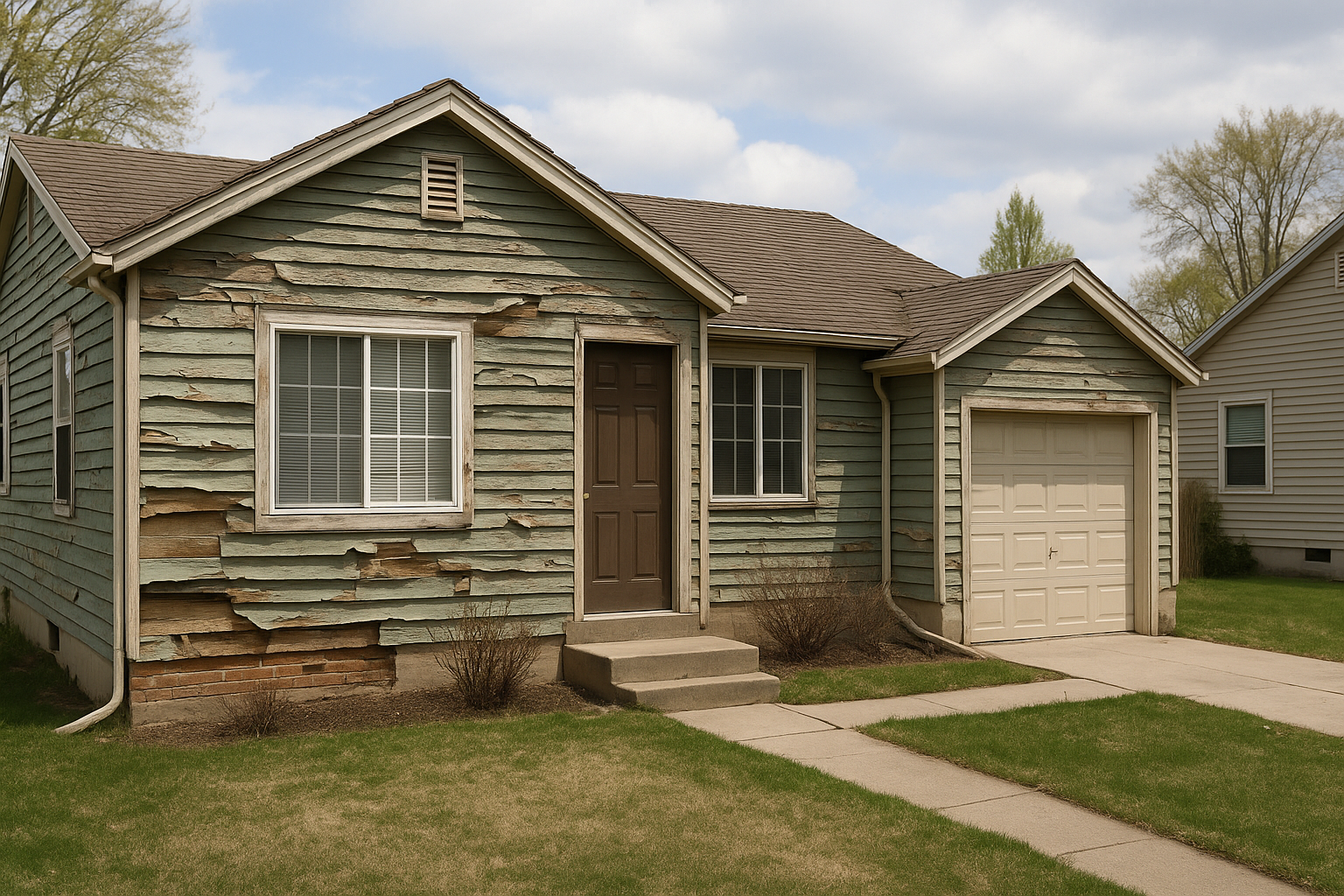
Faded siding doesn’t just look tired—it tells a story
Sure, curb appeal matters. That first look from the street sets the tone. In neighborhoods from Sugar House bungalows to Daybreak townhomes, faded panels signal deferred maintenance. For businesses along 300 West or in Midvale, it’s an unspoken message about care and quality.
But the color fading itself is a clue. UV exposure breaks down resins in vinyl and pigments in paint. That dusty film—called chalking—means your siding has been baking for years. Fading is a warning sign, not just a cosmetic quirk.
When we remove siding, we see the story behind the surface: fasteners pulled loose by thermal movement; seams that never shed water right; caulking gaps that quietly invited moisture. That’s the real reason replacement starts by taking the old off. You get to fix the cause, not just the symptom.
Damage runs deeper than color: moisture, movement, and wasted energy
Here’s the thing: siding that’s split, buckled, wavy, or brittle has usually been stressed by Utah’s big temperature swings. Summer heat softens some materials; winter reverses it. Repeat that for a decade, and the building envelope loosens up like a worn zipper.
Once that happens, water sneaks in. Not a waterfall—just small leaks at window heads, inside corners, or where an old satellite cable once pierced the wall. That moisture feeds rot in OSB sheathing, invites carpenter ants, and erodes insulation value. You may also feel more drafts, hear more street noise, and see utility bills inching up. Damaged siding isn’t just tired; it’s expensive over time.
By removing old cladding, we can repair sheathing, add a modern weather-resistive barrier and tape, integrate proper flashings, and even create a thin rainscreen gap that lets walls dry out after storms. Less moisture. Fewer headaches. A tighter, quieter building.
Dollars and sense: how new siding pays you back
Let’s talk money, because value matters. National studies like the Remodeling Cost vs. Value Report regularly show that quality Siding Replacement can return a large share of its cost at resale. Buyers notice clean lines, crisp trim, and well-detailed corners. Appraisers do too.
And the payback isn’t just when you sell. Proper removal and reinstall improves air sealing and water management, which helps HVAC work less. That can shave energy bills—especially on homes with older wrap or none at all. Pair new cladding with upgraded housewrap and better flashing, and you’re stacking small savings that add up month after month.
There’s another angle: maintenance. New Fiber Cement Siding or engineered wood with factory finishes holds color longer and resists the UV we get along the Wasatch Front. Less repainting. Fewer emergency repairs after a spring squall barrels through Parley’s Canyon. That’s money you keep.
Paint over it or pull it off? Signs it’s time to remove, not just cover
Painting can refresh a surface. But when siding is failing, paint is like taping a bandage on a cracked pipe. Watch for these cues that say: it’s removal time.
- Soft or spongy spots when you press near window corners or trim.
- Persistent siding movement that creaks or rattles in wind.
- Wavy walls that hint at warped sheathing underneath.
- Repeated caulk failures at the same joints or seams.
- Visible rot, swelling, or delamination on wood-based products.
- Water staining indoors around baseboards or window heads.
- Insect trails or frass near siding laps and penetrations.
Also important: many vinyl products aren’t designed to be painted, and older aluminum can chalk right through fresh coats. When the base is worn out, Siding Removal followed by a proper rebuild is the real fix.
Layer new over old? It sounds easier—until it isn’t
We hear it a lot: “Can’t you just put the new siding over the old?” Sometimes building codes allow a single overlay, but that doesn’t mean it’s the smart move for Salt Lake’s climate. Why? Because layering traps unknowns. If there’s rot, missing flashing, or poor window integration, you’re burying the problem—literally.
Removing the old siding lets us correct flashing at head casings, properly weave weather barrier at corners, and straighten the wall plane for crisp shadow lines. Your new cladding lasts longer when it sits on a sound, dry, and flat substrate. Cheaper shortcuts feel quick now but cost more later.
What removal and replacement looks like with Utah Siding & Exteriors
Curious how the process actually works? Here’s the short tour, minus the dust.
| Step | What you see | Why it matters |
|---|---|---|
| Inspection & planning | We map problem zones, measure, confirm details | Accurate scope avoids surprises and delays |
| Site protection | Landscape coverings, safe access, staging | Protects your property and keeps the site tidy |
| Careful removal | Old siding and trim come off, debris is hauled | Opens the wall so repairs can be done right |
| Sheathing repairs | Rot replaced, fasteners reset, walls trued | Creates a flat, strong base for new cladding |
| Weather barrier & flashings | Modern wrap, tapes, pan flashings, head flashings | Keeps bulk water out and lets walls dry |
| Rainscreen (when specified) | Furring or spacers for a small air gap | Improves drying and paint longevity |
| New siding & trim | Clean lines, tight joints, crisp corners | Longer life, better looks, easier maintenance |
| Final details | Sealants, touch-ups, hardware, walkthrough | You approve the finish before we wrap |
From Federal Heights to South Jordan, our crews work clean and steady. You’ll know the timeline, and you’ll get updates—not surprises.
Which materials handle Wasatch Front weather?
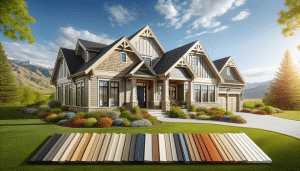
Not every product thrives here. High UV, dry air, and sudden storms call for cladding that’s tough and color-stable. We install a range of options and help you choose what fits your style, budget, and maintenance goals.
| Material | Why it works here | Maintenance |
|---|---|---|
| Fiber cement siding (e.g., James Hardie) | Excellent UV resistance, fire-resistant, stable through freeze–thaw | Repaint on long cycles; factory finishes hold color well |
| Engineered wood (e.g., LP SmartSide) | Impact resistant, lighter to handle, treated against decay | Keep coatings intact; quick spot touch-ups when needed |
| High-grade Vinyl Siding | Budget-friendly, color through body, modern profiles look sharp | Wash as needed; no painting; mind heat sources |
We also handle specialty claddings and accents—metal panels, board-and-batten looks, or shingle-style details—so your home feels mountain-modern or classic bungalow, not cookie-cutter. The trick is pairing Salt Lake City siding replacement materials with the right install details: rainscreens, back-primed trim, and smart flashings where snow piles and melts.
For businesses: a façade that works as hard as you do
Commercial clients care about durability, brand, and uptime. We get it. Fresh commercial siding replacement sharpens your storefront, protects inventory and interiors, and makes signage pop. Impact-resistant panels near loading zones; easy-clean finishes along busy sidewalks; details that shrug off winter slush and summer dust—these choices save maintenance dollars and keep curb appeal steady between tenants or remodels.
We coordinate around business hours, keep walkways clear, and communicate with managers so customers feel welcome throughout the project. Less disruption. Better results.
Common myths we hear—quick answers
- “If I can’t see leaks, I don’t have them.” Small leaks stay hidden until rot spreads. Removal finds and fixes issues early.
- “Painting is cheaper, always.” Short term, yes. But on failing substrates, paint fails fast. Replacement wins on total cost.
- “New siding fixes drafts by itself.” Not exactly. The magic is in removal, repairs, wrap, and sealing—then the new cladding.
- “Layering saves time.” Sometimes—but you inherit all the old problems. Smart money removes first.
- “All brands perform the same here.” UV and altitude say otherwise. Material choice plus detail work makes the difference.
When should you schedule siding work around Salt Lake?
Spring through fall is prime time—dry days, warmer temps, faster coatings cure. Winter installs can still succeed with the right products and dry conditions, but schedules flex a bit more. If you’re aiming for a pre-listing refresh, start planning a couple months ahead. For HOAs or historic areas, build in review time. We’ll guide that timeline, so you’re not rushing when the snow flies.
Costs, value, and keeping the project comfortable
Every property is different—wall height, details, tear-off complexity, and material choice all affect cost. Expect a full siding removal and replacement to be a meaningful investment, with returns in curb appeal, durability, lower upkeep, and potential energy savings. We can show you options at several price points and explain what changes between them, line by line.
We also help explore financing, phased projects, or pairing with other upgrades—new gutters, upgraded attic ventilation, or selective stone accents—so your plan makes sense now and later. Clear numbers. No guesswork.
Permits, HOAs, and historic considerations—handled
Salt Lake City typically requires permits for exterior siding projects that involve structural repairs or significant alterations. HOAs may have color and profile rules, and historic districts like the Avenues can require approvals for exterior changes. That can feel like a maze. We’ll handle the paperwork, coordinate approvals, and keep your design within local guidelines while still giving you a fresh, durable look.
If your property is in a tight spot for waste hauling or staging, we plan for that too—neighbors appreciate a tidy site and so do we.
Why homeowners and businesses trust Utah Siding & Exteriors
You want a crew that treats your place like their own. That’s us. We live and work here, so we build for our climate, not a brochure. We remove siding carefully, we fix what we find, and we install with details that stand up to our sun and storms. From James Hardie fiber cement to LP SmartSide and quality vinyl, we source solid products and explain the trade‑offs plainly.
Expect clear communication, clean sites, and warranties that actually mean something. Less drama. More results. And when a spring squall shows up mid-project, we button everything up fast—because weather doesn’t wait.
Ready to give your exterior a fresh start?
If your siding is faded, brittle, or just not pulling its weight anymore, removing it and rebuilding the envelope is a smart move—one you’ll see, feel, and get paid back for over time. Let’s take a look, talk through materials, and map a clean plan that fits your place in Salt Lake City and the surrounding communities.
Call Utah Siding & Exteriors at 801-509-9241 or Request a Free Quote. We’ll bring samples, real numbers, and a straightforward path to a better exterior—no fluff, just sturdy work that lasts.