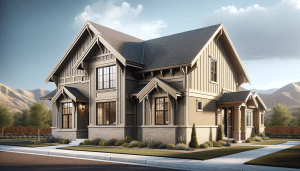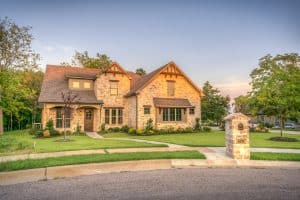
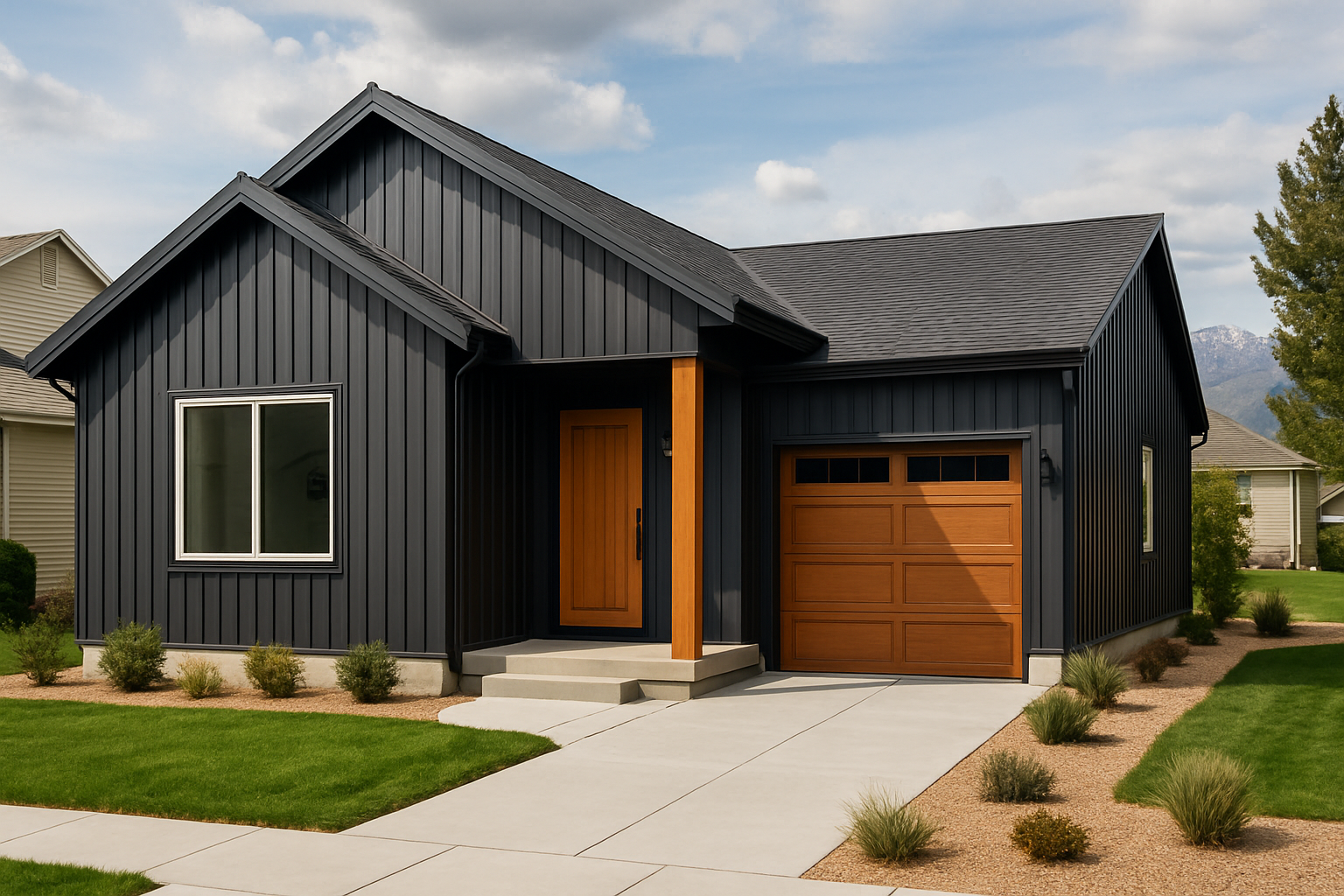
Salt Lake City loves a good makeover. You can feel it on a Saturday stroll past fresh storefronts in the Granary District or down a quiet Sugar House street where a cozy bungalow suddenly looks sharp and new. That same feeling happens when a tired exterior gets new metal siding—the before-and-after difference is jaw-dropping. As Utah Siding & Exteriors, we’ve seen it up close. Homes breathe easier. Businesses look ready for their next decade. And yes, the neighbors notice.
Why metal siding changes everything (and sticks around)
Here’s the thing: not all facelifts last. Metal siding does. It stands up to Wasatch winds, sideways snow, and July sun without flinching. It’s tough, clean, and customizable. It can look rustic, modern, or somewhere tastefully in-between.
We often recommend Steel Siding with high-performance finishes like Kynar 500 PVDF from Sherwin-Williams Coil Coatings. It resists fading and chalking, even under that golden Utah sun. Aluminum works too—lightweight and great near the lake or irrigation—but steel takes the cake for impact strength. Zinc? Gorgeous patina and long life for certain designs.
And the bonus you don’t always see right away: better energy performance with insulated backers and tidy air gaps for drainage. Your walls stay drier; your interior stays steadier. Little details, big comfort.
Before and after: real-life curb appeal in Salt Lake City
Sugar House bungalow: warm modern without losing soul
Before: Peeling paint on original lap siding. Cute bones. No presence. Winters took a toll along the north side, and summer sun faded the street face.
After: A mix of standing seam metal siding in a satin charcoal paired with horizontal wood-look metal accents. We used a subtle 1-inch reveal to create shadow lines that dance across the day. New trim profiles tucked tight around the original windows—nothing fussy. The home reads modern, but it still nods to its bungalow roots. Neighbors stopped to ask, Is that wood? Nope—durable metal with a textured finish that fools the eye.
Daybreak townhome: HOA-friendly, maintenance-light
Before: Beige on beige. The HOA color rules felt limiting. Fading was real.
After: We proposed an approved color set with a deeper mid-tone gray and crisp white metal trim. Corrugated panels on the bump-out add punch, while flat panels keep the main walls calm. We used concealed fasteners for a neat look. The owner got a low-maintenance exterior with real style, and the HOA got a clean, uniform profile that lifts the whole street. Win-win.
Millcreek chalet redo: snow smart, mountain ready
Before: Cedar shakes with rot pockets, constant staining, ice dams tearing up the edges.
After: Vertical steel in a matte forest green with high-temperature ice-and-water shield at critical transitions. We integrated metal soffits for crisp airflow—goodbye ice dams. The metal reads like tailored outerwear: weatherproof, flattering, tough. The cabin feel stayed; the headache left.
Small business, big refresh: Granary District coffee shop
Before: Faded stucco and a sign that blended into the wall. Low curb appeal for high foot traffic.
After: A charcoal flat-lock metal facade with a bright copper-tone metal frame around the door. Simple. Eye-catching. On-brand. Anti-graffiti clear coat made cleanup easy. The new skin pays off every single morning with passersby who actually look up and walk in.
Materials and finishes that love Utah’s climate
We choose products that handle snow load, UV, and big temperature swings. If you’ve watched a storm roll over the Oquirrhs and slam into the valley, you get it—materials here need grit.
| Material | Look and vibe | Why it works here |
|---|---|---|
| Steel (galvanized or Galvalume) | Modern, crisp; can mimic wood with textured prints | High impact strength; great against hail; long finish warranties |
| Aluminum | Clean lines; ideal for coastal-style or light, bright exteriors | Lightweight; excellent corrosion resistance; good near sprinklers |
| Zinc | Architectural patina; artisan feel | Self-healing surface; very long life with proper detailing |
Brands we trust for residential metal siding and commercial metal siding include ATAS International, McElroy Metal, and Bridger Steel. Finishes like PVDF keep colors true for years, even through our high-altitude UV.
Style playbook: profiles that turn heads
You don’t have to go all one look. Mixing profiles adds dimension without chaos. Let me explain.
- Standing seam: Vertical ribs that feel tailored and sleek. Great for energy-efficient assemblies with continuous insulation.
- Flush or shiplap panels: Smooth and modern. Pairs well with stone or brick for a clean contrast.
- Corrugated: Strong texture, budget-friendly, and very Utah ranch-chic when done right.
- Wood-look metal: The warmth of cedar without sanding or staining. Surprising to the touch, convincing to the eye.
- Mixed materials: Try standing seam on main walls, corrugated in a porch bay, and stone at the base. Balanced, grounded, memorable.
You know what? Even a simple color shift can do wonders. A dark body with warm metal accents around entries feels inviting, not cold. The trick is scale, sheen, and shadow.
More than pretty: energy, noise, and fire safety
We build with performance in mind. A typical assembly for metal siding Salt Lake City projects starts with a weather-resistive barrier, then furring strips to create a rainscreen gap, then panels with the right fasteners and sealants. That little air space helps walls dry out after storms and irrigation spray.
Insulated backers or continuous exterior foam smooth out temperature swings. Your HVAC will thank you. Metal also doesn’t feed flame; paired with the right layers, it can help your wall achieve strong fire ratings. For canyon homes, that matters.
About the “metal is loud in the rain” myth: on walls, it’s not an issue. There’s sheathing, insulation, drywall, and air gaps in between. Sound gets absorbed along the way. It’s a roof thing, not a wall thing—and even there, assemblies tame noise well.
What does it cost here—and what comes back to you
Numbers help. Most steel siding projects we see around Salt Lake City land roughly here:
- Standard steel profiles: About $9–$16 per square foot installed, depending on profile, finish, and detailing.
- Architectural panels or mixed materials: About $14–$22 per square foot, given custom trims and more complex layout.
- Insulated metal panels: Often $18–$30 per square foot, but they include insulation and can shorten schedules.
Yes, that’s a range. Homes vary. Access, soffits, window details, and HOA rules all move the needle a bit. What do you get back? Longevity, low maintenance, and a curb appeal bump that can help appraisers see value. Many clients also report lower repainting and repair costs year over year. Less ladder time, more life time.
Not just for homes—business facades that mean business
For storefronts, clinics, and offices, metal cladding plays hard. Fast installation means less downtime. Brand colors can be dead-on with PVDF finishes. Easy cleaning keeps it fresh.
We use smart details for high-traffic zones: heavier-gauge panels near the sidewalk, removable trims for signage updates, and anti-graffiti coats where it makes sense. A tidy facade helps people trust what’s inside—coffee, care, or consulting.
Common worries, answered honestly
We hear the same questions from smart homeowners and savvy property managers. Short answers first, then a little context.
- Will it dent? Maybe, but not easily. Thicker gauge steel resists hail and kids’ soccer balls. We place heavier panels in vulnerable spots.
- Does it rust? Not when detailed right. Galvanized or Galvalume substrates and sealed cuts keep edges protected. Good trims matter.
- Fading and chalking? Quality PVDF finishes slow that way down. Expect long, written finish warranties.
- HOA concerns? We prep submittals with color chips, renderings, and spec sheets. It smooths approvals.
- Lightning risk? No higher than other claddings. Your home’s lightning risk depends on height and grounding, not cladding material.
- Snow and ice? Metal sheds moisture fast. We detail kick-out flashing and head trims to guide meltwater away from openings.
Honestly, the biggest “gotcha” isn’t the metal. It’s sloppy detailing. That’s why we fuss over flashings, sealants, and ventilation. It keeps little issues from turning into big ones.
Our process: clear, steady, and built around your schedule
From first call to final walkthrough, we keep things simple and transparent. You get straight answers and a clean jobsite. Here’s our usual path for Utah Siding & Exteriors projects:
- 1. Walkthrough and goals: We listen. Style, budget, timeline, HOA notes—bring it all.
- 2. Design help: Renderings with your home’s photo, plus real samples. Brands like ATAS, McElroy, and Bridger Steel make this easy.
- 3. Proposal, clear scope: No fluff. Panel type, gauge, finish, trims, and schedule all spelled out.
- 4. Permits and HOA: We support submittals with spec sheets, color chips, and details.
- 5. Site prep and protection: Landscaping covered, paths laid, neighbors notified when helpful.
- 6. Installation: Skilled crews, proper fasteners from SFS, and reliable sealants like OSI Quad Max. Clean cuts, tight seams.
- 7. Final check: We walk the project with you, share care tips, and document warranty items.
The result? A before-and-after you’ll want to photograph from the sidewalk—and the backyard—and maybe at sunset.
Timing the project with Utah’s seasons
Can we install in winter? Yes, with care. We adjust adhesives, mind sealant temperatures, and plan around storms. Spring and fall are popular because crews move fast and materials stay cool, but summer installs are fine too. We stage materials in shade and keep panels from overheating so finishes stay pristine.
Scheduling tip: if you’re pairing siding with window replacements or a deck refresh, let’s stack the timeline so trades don’t trip over each other. A little planning saves a lot of rescheduling.
Maintenance made easy
Care is simple. Rinse dust a couple times a year. Check landscaping so sprinklers don’t hammer one spot. If a panel gets scuffed, many finishes have touch-up kits. Keep trees trimmed so branches don’t rub in a windstorm. That’s about it.
And if life happens—a bike handlebar, a wayward grill cover—call us. Panels are modular. We can swap or repair sections cleanly without tearing up the whole wall.
Ready for your before-and-after?
If you’re picturing your place with crisp lines, richer color, and a lighter maintenance load, we’re here to help. We’ll bring samples, walk the site, and sketch a look that fits your home or business—and the neighborhood around it.
Call 801-509-9241 to talk with Utah Siding & Exteriors. Or tap here to Request a Free Quote. A quick chat today can turn into a stunning reveal this season. Your future “after” is closer than you think.