
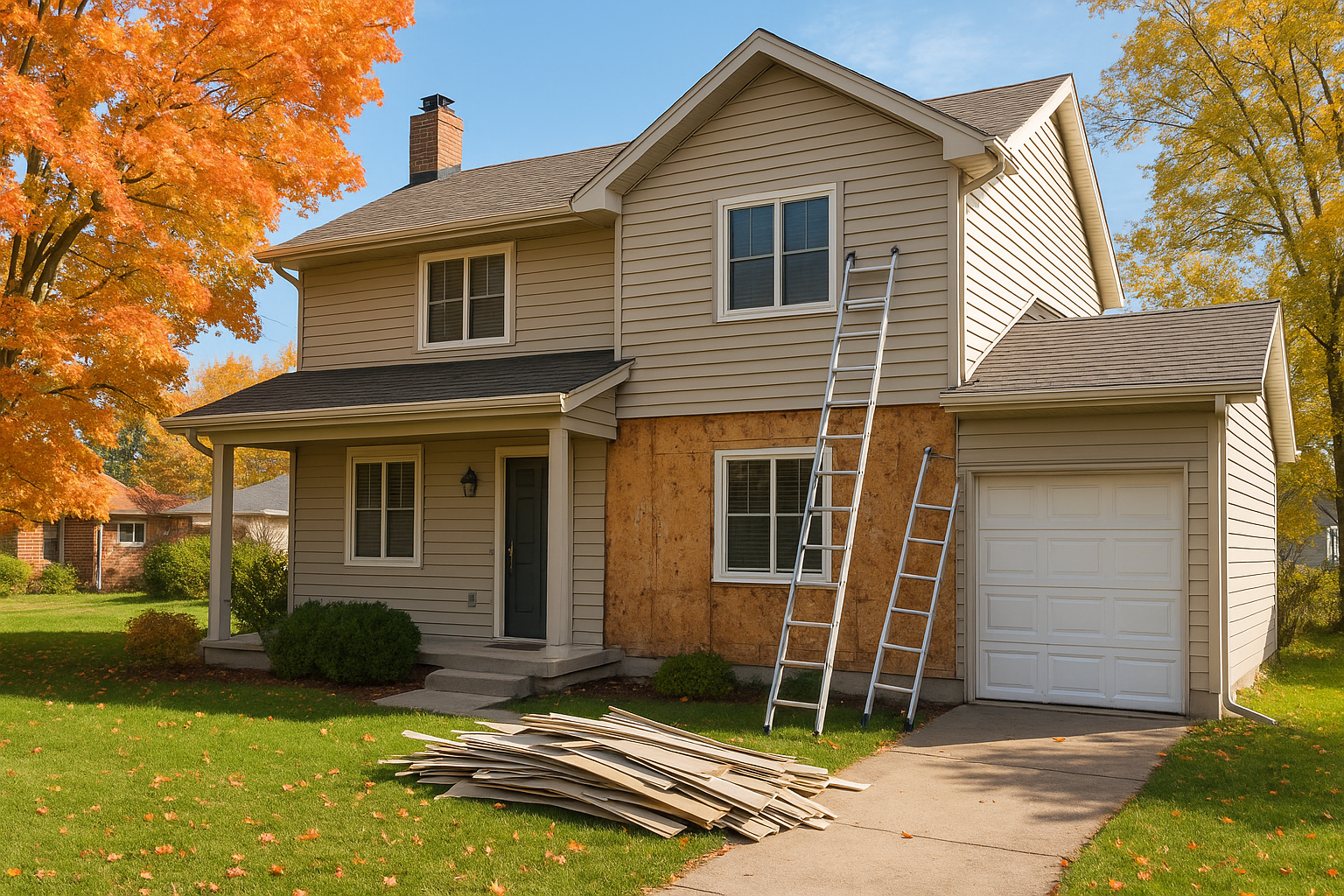
Planning the removal of old siding isn’t exactly a coffee-break task. Weather, crew schedules, materials, and even your lawn sprinklers can throw a wrench in things. But here’s the thing: with a seasonal plan that fits Salt Lake City’s climate, you can save time, reduce stress, and set your home or building up for a smooth install. If you’re a homeowner in Sugar House with Wood Siding that’s seen one too many freeze-thaw cycles—or a business near downtown that needs a clean, quick exterior refresh—this guide will help you time it right and prep like a pro. We’re Utah Siding & Exteriors, and we remove and replace siding across the Wasatch Front every week. You know what? Getting the timing right does half the job for you.
Why timing matters along the Wasatch Front
Salt Lake City weather plays by its own rules. We get intense sun at higher altitude, sudden wind off the canyons, spring rain that sneaks in sideways, and winter cold snaps that don’t care about your calendar. All of that matters when you’re planning Salt Lake City Siding Removal.
Old siding tends to fail after years of UV exposure and moisture. Pulling it off exposes the sheathing and any weak spots, which is great—you want to see what’s behind there—but it also leaves your home or building vulnerable for a short window. That’s why seasonal planning isn’t fussy; it’s smart. In mild weather, materials behave better, crews move faster, adhesives cure right, and your schedule holds steady. In harsh weather, well, delays add up.
One more local detail: our afternoon microbursts and late summer monsoon storms can show up fast. Good planning builds in a cushion. Not wasteful, just realistic.
A quick look by season
Here’s a simple snapshot of how each season tends to work for siding removal in SLC. It’s not a strict rulebook—more like a friendly nudge in the right direction.
| Season | What works best | Watch-outs |
|---|---|---|
| Spring | Repairs after winter, moisture checks, steady removal | Late snow, rain bursts, muddy yards |
| Summer | Fast tear-off, long days, dry sheathing | Heat, UV, afternoon storms, wildfire smoke days |
| Fall | Stable temps, clean timelines, pre-winter wrap-up | Early cold snaps; shorter daylight |
| Winter | Flexible scheduling, off-peak pricing sometimes | Cold-curing limits, ice, slower pace |
Spring: wake-up season and water watchdog
Once the snow pulls back from the foothills and the tulips show up, spring becomes a strong window for siding removal in Salt Lake City. Temperatures are milder, which means fast tear-off and easier handling of housewraps and flashings. It’s also the time to spot winter damage—ice dams, wind-blown water stains, or that soft sheathing under an old leak.
However, spring can tease. A blue-sky morning may turn into a wet afternoon. That’s manageable if your contractor stages the work and closes up sections with house wrap quickly. We do it every year. The ground might be muddy too, so laying down protection for landscaping and keeping a clean path to the dumpster matters.
Spring checklist, quick and painless
- Call early. Spring books fast. If you want April or May, a few weeks’ lead time helps.
- Check gutters. You’ll see water woes while rain is active; it’s the perfect time to add kick-out flashing.
- Mind the garden. Mark those bulbs and shrubs. We’ll shield them, but clear access helps.
- Plan materials. Fiber Cement Siding like James Hardie or engineered wood such as LP SmartSide may need ordering. Spring is a good time to lock colors.
Summer: the get-it-done window
Summer can feel like go-time. Dry air, long days, fewer weather “surprises.” Removal moves fast and materials stay dry. That’s a gift when you’re re-flashing windows or adding a rainscreen gap behind the new siding.
But we also respect the heat. UV at altitude makes surfaces hot, so crews often start early and finish before peak afternoon sun. Some adhesives and sealants can skin over too fast if it’s scorching; we adjust products and timing. And from July into August, we can get quick afternoon storms or a hazy day from regional wildfire smoke. No panic—just a little schedule finesse.
Commercial clients: summer is perfect for phased work. We can stage removal around store hours or shift changes, keep access doors open, and set clear walk zones. Think cones, signs, and a daily cleanup rhythm that keeps business flowing.
Fall: the sweet spot
Fall along the Wasatch Front is… steady. Cooler, calmer, and frankly great for both removal and install. Sheathing stays dry, caulks cure well, and we can run tight schedules. If you like predictability, this is your season.
There’s one “but.” Sometimes October throws frost at sunrise and then warms into a perfect afternoon. We roll with it by planning the tear-off and wrap earlier in the day, then finishing details as the temperature rises. If your goal is better comfort before the holidays—say, add insulated sheathing or seal air leaks—fall timing means you’ll feel it when winter hits.
Winter: yes, sometimes it’s worth it
Winter removal isn’t crazy, it’s just careful. We watch the forecast, work in smaller sections, and use cold-weather-rated wraps and fasteners. Some sealants and adhesives have minimum temperature limits, so we choose products that cure right or hold off detailed sealing for warmer hours. Safety matters on snow and ice; we go a bit slower, which is fine by us if it means the job’s clean.
The upside? Winter can offer more flexible scheduling and sometimes better availability on materials. If your siding is failing or causing leaks, waiting until spring can cost more in hidden damage. We’ve saved more than a few clients from wintertime headaches with timely removal and temporary protection while a storm passes.
Siding removal basics, without the jargon
Let me explain how the removal phase usually unfolds. It’s noisy for a bit, but it’s straightforward when done by a seasoned crew:
- Site prep. We set protection for windows, patios, plants, and AC units. Power lines and outlets are flagged, pets are noted, and vehicles are moved.
- Tear-off. Sections come down in a planned order. Vinyl Siding unzips. Old wood pries off. Fiber cement needs careful handling due to weight.
- Sheathing check. We look for rot, delamination, or past water tracks. Photos are taken for your records.
- Flashing and WRB. We update or install house wrap and flashings around windows, doors, and roof lines. This is the backbone of moisture control.
- Waste and recycling. Debris gets loaded cleanly. In Salt Lake County, disposal follows local guidelines; some metals are recycled.
Homes built before 1978 may have lead-based paint under older siding. Some older cement shingles can contain asbestos. We can arrange third-party testing and, if needed, licensed abatement. It’s not common, but it’s important enough to say twice: testing first saves headaches later.
If you’re curious about gear, we often use wrap and tapes like Tyvek or Zip System WRB, corrosion-resistant nails, and high-performance sealants rated for our temperature swings. Nothing flashy—just proven materials that hold up on the Wasatch Front.
For businesses and property managers: smooth removal without chaos
Commercial removal has the same bones as residential, but daily operations add a few layers. We coordinate with managers on delivery hours, quiet times, and customer access. When the front façade needs work, we’ll set alternate entrances, visible signage, and safe walk paths. The goal is simple: keep people moving while we get the skin off the building.
We can also phase work by elevation or tenant bay, so only part of your space is affected at any time. And yes, we carry proper insurance, follow OSHA safety practices, and provide documentation your risk manager will actually like. It’s not exciting—but it matters.
Hidden issues you might find behind old siding
No scare tactics here, just the common stuff we see when siding comes off:
- Rot at window corners. Usually from missing or failed flashing. Repair is targeted and fixable.
- Delaminated sheathing. Often on windward walls. We replace panels as needed.
- Ant trails or wasp nests. More common in old wood siding or big gaps. Easy to remove; we seal entry points.
- Trapped moisture. From non-breathable layers or old tar paper. A rainscreen gap plus modern WRB solves this.
Honestly, this is why removal is worth doing right. You get a clean slate and a tighter, drier building.
Permits, inspections, and HOA notes in Salt Lake City
Do you need a permit for siding work? It depends on scope and location. The City’s Building Services can confirm what’s required for your address. If you’re in a historic district like parts of the Avenues or Capitol Hill, design review may be part of the process. We help with documents and drawings when needed.
For dumpsters, check your street parking rules. Salt Lake City may require a right-of-way permit for containers placed on public streets. HOAs sometimes ask for color approvals and work hours—no big deal when planned in advance.
Budgeting and lead times without the guesswork
A few things drive removal costs: how many layers are on the wall, the condition of the sheathing, fascia and soffit details, and access for equipment. Multi-story buildings and tight driveways need more staging. Older homes can surprise you with a second layer under there. We price transparently and keep change orders simple, with photos for clarity.
Lead times change through the year. Stock colors for James Hardie, LP SmartSide, or popular metal siding in Utah move faster; custom hues or specialty profiles may need a few extra weeks. If you have a finish you love, we’ll check availability right away so removal and install line up smoothly.
Prep your property: a short, real-world to-do list
- Clear the walls. Take down décor, holiday lights, bird feeders, and old wires that go nowhere.
- Trim back plants. A foot of space keeps crews efficient and shrubs safe.
- Protect the inside. Vibrations happen—pull frames off delicate walls and secure shelves.
- Plan parking. Leave room for the dumpster and crew truck. Your neighbors will thank you.
- Pets and gates. Let us know who’s in the yard; we’ll keep gates latched.
- Outlets and sprinklers. Mark GFCI outlets; set sprinklers to skip the work zone for a few days.
Small prep, big difference. It keeps the removal tidy and the pace steady.
Materials that come off cleanly—and those that fight back
Not all siding is equal when it’s time to say goodbye. Vinyl siding usually removes fast and clean. Older wood siding can be stubborn, especially if multiple paint jobs turned nails into little rusted anchors. Fiber cement is heavy and dusty on cut edges, so we handle it carefully and keep the site neat. Aluminum or steel panels from older commercial façades can be quick—unless the fasteners are buried or corroded.
If layers were stacked during a previous remodel, we’ll peel them back methodically, checking for trapped moisture between layers. It’s a bit like archaeology, but with better gloves.
FAQ lightning round
How long does siding removal take?
Most homes: 1 to 3 days for removal. Larger homes or buildings: a bit longer. Weather and layers matter.
Will my home be exposed overnight?
No. We stage removal and cover with house wrap the same day. Openings and edges get sealed before we leave.
Do you test for lead or asbestos?
Yes, when age or material suggests risk. Third-party testing keeps it clean and compliant.
Can you work around my business hours?
Absolutely. We plan phases, set up safe walk paths, and keep entries open as needed.
What if it rains?
We monitor radar, work in smaller sections, and button up walls as we go. If a storm hits, we pause and protect.
Why Utah Siding & Exteriors for removal in Salt Lake City
We’re locals. We know the inversion days, the canyon winds, and how the sun pounds west walls. More importantly, we plan around it. Our crews are trained for careful removal, tidy sites, and quick protection of your structure. We work with trusted products—James Hardie, LP SmartSide, and quality WRBs—and we document what we find so you’re never guessing about a repair.
Homeowners appreciate our straight talk. Businesses like our predictable phasing and clean communication. And when something unexpected shows up behind the wall, we explain the fix in plain language and keep the project moving. Simple as that.
Ready when you are—let’s plan your timeline
If you’re weighing spring versus fall, or wondering whether summer heat will slow things down, let’s chat. We’ll look at your building, your schedule, and the season, then map a plan that keeps your walls protected and your project on track.
Call 801-509-9241 or tap Request a Free Quote. Utah Siding & Exteriors serves homeowners, HOAs, and businesses across the Salt Lake Valley—from the Avenues to Herriman and up along the benches. We’ll make siding removal feel easy, and then set you up for a clean, long-lasting install right after.