
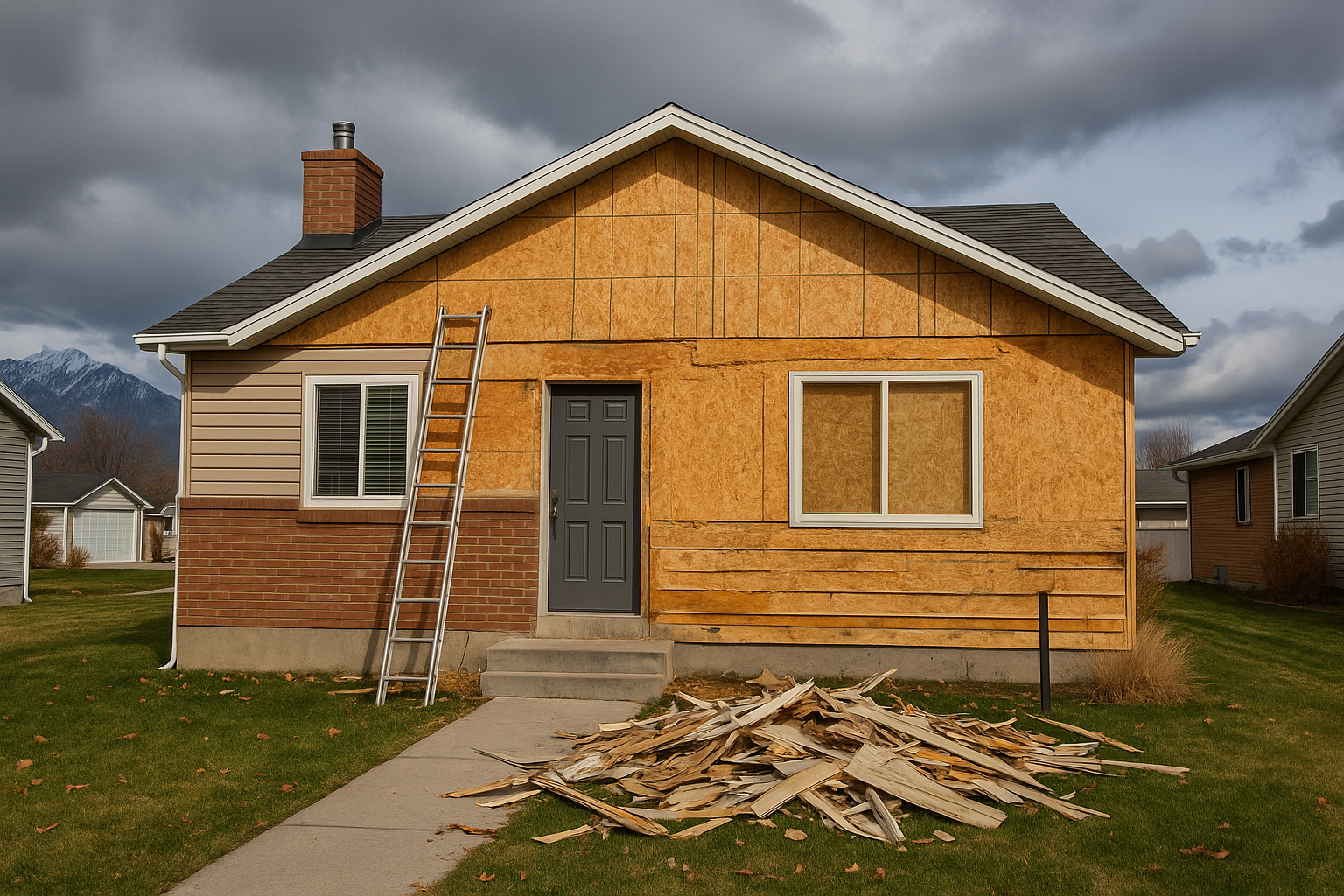
Weather in Salt Lake City has a mind of its own—bluebird mornings, sudden canyon gusts by lunch, and a quick-moving storm before dinner. That mix is gorgeous to live with, but it changes how Siding Removal should be planned and carried out. Whether you’re a homeowner in Sugar House or a business owner near Downtown, timing and technique matter. Honestly, it’s not just about pulling panels; it’s about protecting sheathing, scheduling the right crew at the right hour, and keeping your place dry and safe while the work’s happening. Here’s the thing: when you’ve got a team that understands local weather patterns and building science, you get a cleaner removal, fewer surprises, and a smoother path to a beautiful new exterior.
Salt Lake City Weather: Four Seasons, Plenty of Twists
We see it all here—strong sun at altitude, winter freeze–thaw cycles, summer monsoon bursts, valley inversions, and those famous canyon winds that whistle down from Parleys and Little Cottonwood. The Avenues can get blustery while Daybreak stays calm. Holladay will cool off fast at dusk; West Valley may hold heat longer. Microclimates aren’t just a talking point. They dictate the rhythm of siding removal in Salt Lake City.
Why does that matter? Because each step—prying off panels, exposing sheathing, installing wrap, sealing penetrations—has a weather “comfort zone.” Push outside that window and materials complain. Crews move slower. Risks go up. You know what? A two-hour gust can undo a day’s worth of careful setup if it’s not planned for.
So, we plan around it. Utah Siding & Exteriors watches National Weather Service updates and high-resolution wind models. We build a day-by-day approach, with room for quick shifts. That’s how you protect a home or storefront when the sky changes its plans.
Temperature Swings: When Materials Behave (or Don’t)
Cold, heat, and fast swings between the two affect how siding comes off and what happens next. Let me explain with a few familiar materials.
Vinyl Siding gets brittle in the cold. Below about 40°F, it can crack if you muscle it. Removal still works in winter; we just adjust technique—more controlled prying, slower pace, and warmer storage for panels we’re saving for matching or haul-off. In high heat, vinyl softens and expands, so we manage staging to keep pieces shaded.
Fiber cement doesn’t mind temperature like vinyl does, but it creates silica dust when cut. Cold air can make dust hang low, and wind can push it in the wrong direction. We use the right shears or score-and-snap methods, as well as dust controls and PPE. For Wood Siding, temperature and humidity swings can lead to tight boards in the morning and looser joints by late afternoon. That affects how fasteners release and how cleanly boards come away.
Sealants and tapes have curing ranges. For example, many butyl flashing tapes stick better above 40°F. Some, like 3M 8067, grab well in the cold; still, pressing and rolling become extra important. The same goes for sealants like OSI QUAD MAX—great performance, but happier in a moderate band of temps. If it’s too cold or too hot, we tweak workflow, or we stage temporary heat to keep adhesion consistent.
Moisture, Snow, and Melt: Keep the Building “Dry-In”
Once siding is off, the building is more vulnerable. Snow, meltwater, or a surprise rain can reach the sheathing if the removal isn’t staged with protection in mind. Our rule: expose only what we can cover or rewrap that day. Simple, but powerful.
We set up temporary weather protection—think breathable housewrap (Tyvek or integrated WRB sheathing like ZIP System), taped seams, and flashed openings—so even if a squall pushes through, the structure stays dry. If we’re mid-removal and clouds roll in, we pull tarps or pause and secure. It’s not dramatic; it’s just how you avoid swollen sheathing, mold risk, or nail pops later.
Snow adds logistics. We coordinate dumpster placement so trucks can access your street even after plows pass. We help plan snow clearing around work zones, and we mark paths to protect landscaping. Meltwater is sneaky. We grade temporary walkways so runoff doesn’t pool at your foundation while the cladding is off.
Wind: The Unseen Boss on Site
Wind controls more than people think. On removal days, loose panels can sail; flashing can flap; debris control becomes mission critical. Canyon gusts can go from 10 to 40 mph in minutes. That’s why we secure staging with tie-offs, manage smaller removal sections, and use netting or shields where conditions call for it.
For multi-story buildings and commercial façades, negative pressure can tug at underlayment while the outer shell is off. We counter with tighter fastening patterns for wraps, cap fasteners, and bracing at corners. Safety-wise, OSHA guardrails, personal fall arrest systems, and clean deck management aren’t nice-to-haves. They’re non-negotiable—especially when the breeze shows teeth.
UV and Altitude: Sun That Works Overtime
At our elevation, UV exposure is stronger. Materials and adhesives age faster when they’re sitting in direct sun, even for a short stretch. Housewraps and tapes have exposure ratings—Tyvek CommercialWrap has generous limits, while many tapes prefer a quick cover-up. We respect those timelines. We stage wrap and flashing in the shade when possible and store reels in cool boxes.
Crews rotate tasks during peak heat, too. That keeps the pace steady and the work sharp. Sun isn’t the enemy—it just means we plan the day like a mountain guide plans a summit bid: early start, smart breaks, and a clear turnaround time if conditions shift.
What Season Works Best? A Simple, Local Calendar
There’s no single “perfect” month for siding removal, but some windows are easier in Salt Lake City. Winter jobs can succeed with tight planning; summer runs fast if wind and heat cooperate. Spring and fall? Often the sweet spot.
| Season | Pros | Watch Outs |
|---|---|---|
| Spring (Mar–May) | Milder temps, fewer brittleness issues, strong crew availability | Pop-up showers; plan for quick dry-in and tarp readiness |
| Summer (Jun–Aug) | Long days, fast curing for tapes and sealants | High UV; afternoon microbursts; manage heat exposure and wind |
| Fall (Sep–Oct) | Stable weather, low humidity, great for wrapping and flashing | Early cold snaps at night; shorter daylight by late October |
| Winter (Nov–Feb) | Lower demand can mean flexible scheduling; quiet job sites | Brittle vinyl; snow access; more frequent weather pauses |
Quick note: We sometimes recommend a late-fall start with a finish in early spring. Sounds counterintuitive. But for some projects, staged removal and wrap installation before deep winter, then final cladding after the thaw, hits the sweet spot between safety and speed.
Homes vs. Businesses: Different Rhythms, Same Weather
Residential neighborhoods care about noise windows and parking. We stagger delivery times, protect driveways, and keep a clean path for kids and pets. Businesses juggle open hours, foot traffic, and brand image during construction. We set safe walk zones, add signage, and often schedule louder removal work early or after-hours—especially if weather gives us a narrow window.
For retail and restaurants, wind-blown dust is a big no. We tighten containment, use water misters when appropriate, and stage removal in small zones to protect your entry and patio seating. The world doesn’t stop while we work. Your customers shouldn’t feel like it does.
Storm Damage, Ice Dams, and “What We Find” After Tear-Off
Sometimes a removal feels like opening a storybook. Behind older siding, we might find water-stained sheathing from ice dams, hail-pocked underlayment, or missing flashings at windows. The faster those are addressed, the better your new cladding will last. We bring moisture meters (Tramex) and, when needed, FLIR thermal imaging to spot damp zones that the eye can miss.
Homes built before 1978 may have lead-based paint on old layers. That shapes how we set containment, how we cut, and how we clean. On some mid-century buildings, older underlayment products need cautious handling. If we see red flags, we’ll explain options and safe work methods before moving on. Weather still rules here: wind and rain control how we seal containment and where we position negative-air machines.
How We Manage Weather Risk on Your Project
We’ve worked in everything SLC skies can throw at a job. That experience shows up in small, steady decisions that keep your project safe and predictable.
- Real forecasts, real buffers. We watch NWS discussion pages, radar, and wind models (like Windy) and build buffers into the schedule—so surprises don’t become problems.
- Right-sized daily zones. We remove what we can rewrap that day. Windows and doors get special attention with fast flash-and-cover sequences.
- Material handling that respects the weather. Warm storage for cold-sensitive goods; shade staging for UV-sensitive tapes; covered cutting stations when wind kicks up.
- Clean, safe sites—no excuses. Tie-downs, netting, cap fasteners on wraps, and tidy debris control so gusts don’t turn scraps into projectiles.
- Clear communication. You’ll know the plan, the why, and the what-if. If a storm asks for a pause, we’ll say so and keep you dry and informed.
It’s a simple promise: less drama, more finish. And if conditions say “hold,” we hold—because rushed work in bad weather costs more later.
Homeowner and Facility Prep: A Quick Checklist
Good prep makes weather delays easier to ride out. Here’s a short list you can use.
- Clear a working lane. Move grills, patio sets, and planters at least 5–8 feet from exterior walls so we can tarp and stage safely.
- Plan for pets and kids. Set a safe indoor space during active removal; gusts and noise can rattle even calm pets.
- Mind the sprinklers. Flag heads and set a temporary shutoff. Wet soil plus ladders equals messy and unsafe.
- Parking and access. Reserve two spots for material and a dumpster. In winter, pre-arrange snow clearing on those spots.
- HOA or city notes. If your HOA needs notice, we’ll help with a quick scope summary and timeline.
- Electrics and lights. Tell us about exterior outlets, lighting timers, and security cameras so we can protect or remove as needed.
Small steps, big payoff—especially when weather moves the schedule by a day or two.
What About Warranties and Codes?
Manufacturer warranties often list temperature and surface conditions for tapes, wraps, and sealants. We respect those limits so your coverage stays strong. For code items, Salt Lake City Building Services follows the International Residential Code with local amendments. We flash openings, provide required WRBs, and keep nailing patterns clean and documented. If a weather hold is smarter than forcing the next step, we pause. Warranty and code win every time.
Common Questions We Hear
Can you remove siding in winter?
Yes, with a tighter plan. Vinyl is touchier below 40°F, so we slow the pace and warm-store sensitive materials. We also focus on smaller daily sections and fast dry-in.
How long does removal usually take?
Most single-family homes take one to three days for removal alone, depending on size, layers, and findings. Weather can add a buffer—but disciplined staging keeps momentum.
What if wind is forecast?
We reassess the day’s scope. If gusts will push debris or compromise safety, we change the sequence, reduce section size, or pause and secure. Your building’s protection comes first.
Sometimes. We’ll show you photos, explain options, and give a clear, written path forward. No vague line items—just what it takes to fix the issue before new siding goes on.
Local Know-How Matters More Than You Think
Salt Lake’s weather isn’t a problem—it’s a pattern to work with. A windy afternoon in the Avenues needs different staging than a calm morning in Draper. A cold snap changes tape choices. A hot July day pushes us to start earlier and rest wraps in the shade. Those little choices add up to a tidy removal and a tight shell ready for your new cladding.
Utah Siding & Exteriors lives and works here. We know the streets, the seasons, and the small tricks that make projects hum. If you want a partner who treats your building like it’s theirs—and reads the sky like a neighbor—you’ll feel right at home with our crew.
Ready to Talk Through Your Project?
If you’re planning siding removal in Salt Lake City—for a home, a storefront, or a larger facility—we’d love to map out a weather-smart plan. Call us at 801-509-9241 and tell us what you’re working on. Prefer to start online? Request a Free Quote and we’ll follow up with timing ideas, product guidance, and a clear estimate. No pressure—just friendly, local help from people who respect your schedule and our skies.