If you love the easy warmth of a farmhouse but want something that actually stands up to Utah’s sun, wind, and winter, you’re not alone. More homeowners and small businesses around Salt Lake City are bringing that rural charm to life with a tough, good-looking twist: metal siding. It’s classic meets current—barn-inspired lines with clean edges, rich color, and almost no fuss. You know what? It just works here. Let me explain how to make it feel cozy, confident, and very you.
Wait—metal on a farmhouse? Absolutely.
When people picture farmhouses, they often imagine white clapboard and a red barn in the distance. That picture still holds up, but materials have shifted. Today’s farmhouse design blends old-school texture with smart performance. Metal siding brings those strong lines and shadows we all love, plus durability that wood can’t match in our high desert climate.
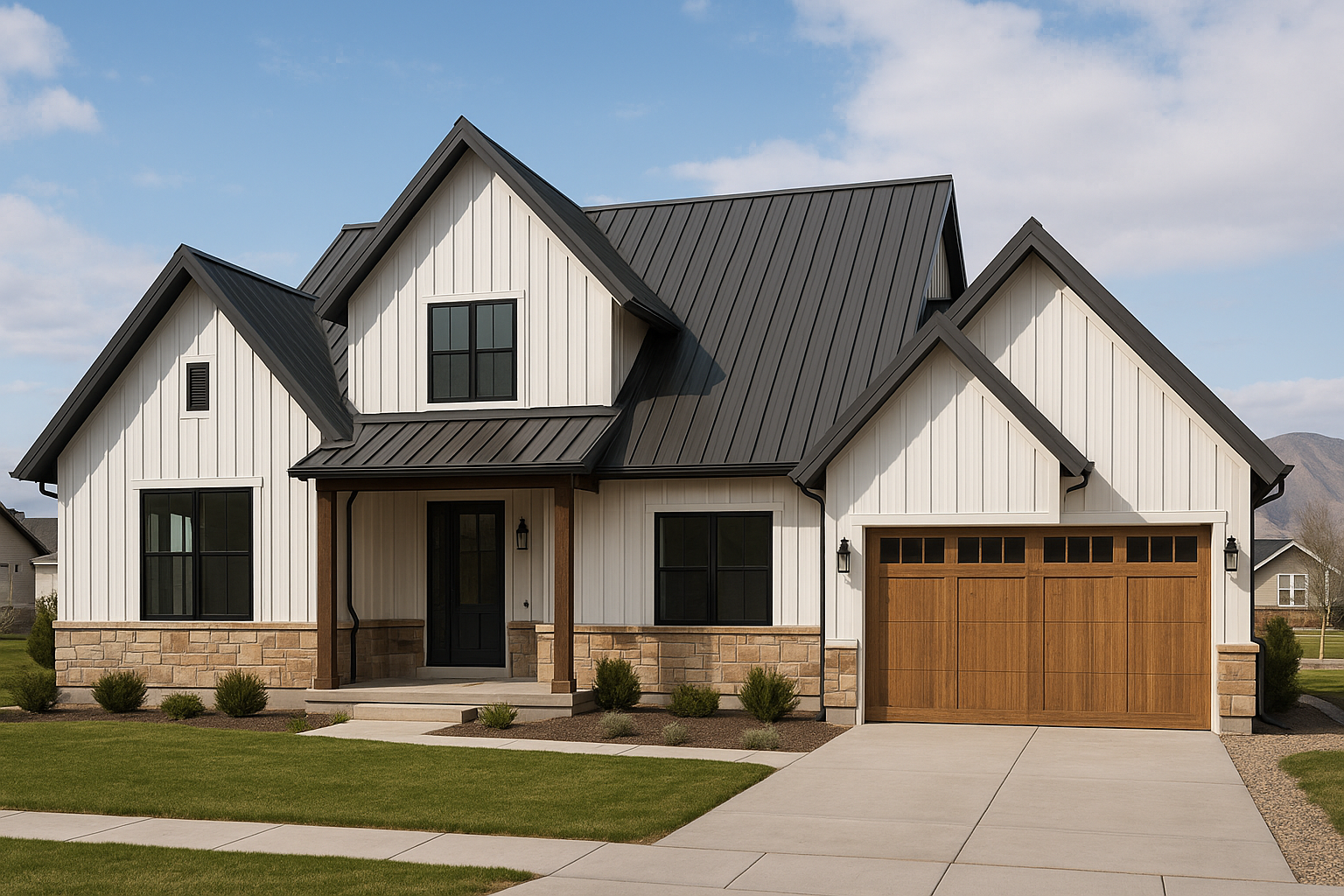
It’s flexible, too. Want classic? Go vertical with board and batten-style metal panels in soft white or cream. Prefer a bolder, “modern farmhouse” look? Try matte charcoal standing seam with warm wood accents. Or split the difference: a lower wainscot of corrugated metal with smooth panels above. The point is simple—metal gives you the lines you want and the strength you need.
And yes, it still feels like home. Paired with a porch swing, black windows, and a timber beam or two, it reads familiar, not industrial. The trick is proportion and detail—which we’ll get to.
Why metal siding fits Salt Lake City life
Homes and shops in the Wasatch Front face a lot: strong UV, freeze–thaw swings, canyon winds, and the occasional heavy, wet snow. Metal siding handles these without flinching. Here’s the quick version.
- Sun-smart finishes. High-performance coatings like Kynar 500 help fight fading and chalking under big-sky UV.
- Wind and weather. Properly fastened panels ride out gusty days without warping. We field-test profiles for typical valley winds.
- Snow and ice. Metal sheds moisture fast, and it won’t swell or rot after a long cold snap.
- Fire resistance. Metal is non-combustible, which brings peace of mind in late-summer ember season.
- Low upkeep. A rinse now and then, a quick look at sealants once a year. That’s about it.
For businesses and agritourism spots—coffee stands, tasting rooms, event barns—appearance matters Monday through Sunday. Metal siding looks crisp on day one and holds that curb appeal years later, with very little maintenance. That’s a real win when margins and time are tight.
Styles that sing: profiles and pairings
Profiles carry the mood. Choose one—or mix a couple—to match your farmhouse story.
Board and batten, the farmhouse favorite
Vertical panels with raised “battens” give that shadow-and-light rhythm you see on historic homes. Metal versions sharpen those lines and skip the upkeep. We often pair this with a standing seam roof and warm cedar at the porch to soften the metal’s crisp edge.
Corrugated for texture and grit
Corrugated metal feels honest—like a well-loved barn. It’s great as a lower wainscot, as the back wall of a deep porch, or across an outbuilding that ties the whole property together. Galvanized or weathered zinc shades bring subtle shine that ages nicely.
Standing seam for the clean, modern farmhouse
Sleek vertical seams. Long, uninterrupted runs. Standing seam panels make windows pop and roofs look tailored. They’re the go-to when you want farmhouse roots with a confident, current look.
| Profile | Look + Best For | Upkeep |
|---|---|---|
| Board and batten | Classic farmhouse lines; great for main elevations | Light rinse; annual sealant check at trim |
| Corrugated metal | Rustic texture; perfect for wainscots and porches | Very low; watch for debris in grooves |
| Standing seam | Clean, modern farmhouse vibe; dramatic verticals | Minimal; inspect concealed fasteners at service |
Not sure what fits? We mock up combinations so you can see how profiles play with your roofline, porch depth, and window layout. Small changes—like shifting from 16-inch to 12-inch panel spacing—can change the whole feel.
Color stories that feel like home
Colors set the tone long before someone reaches the porch. In Utah’s light, neutrals look brighter and darks look richer. Here are palettes that work, season after season.
- Warm whites and creams. Pair with black windows and walnut soffits for timeless charm.
- Charcoal and matte black. The “modern farmhouse” favorite—chic, grounded, and amazing against snow.
- Galvanized and weathered zinc. Softly reflective, with a rural, working-farm feel.
- Sage, clay, and terra-cotta tones. Earthy hues that blend with foothills and late-summer grass.
Here’s the thing: sheen matters. A low-gloss or matte finish reduces glare and hides dust better between washes. We sample on-site, because the same swatch changes from morning light to evening shade.
Mix materials without the mess
Metal looks best when it plays well with friends. Blending materials creates depth and a layered farmhouse story.
- Wood accents. Cedar porch beams, oak-look soffits, or a simple timber header warm up the crisp metal.
- Stone or brick at grade. A stone skirt gives a solid base and handles splash-back near walkways.
- Fiber cement trim. Clean corners and stable color; ideal around windows and doors.
We also like a subtle brick chimney or a stucco bump-out on the entry. It’s like adding the perfect seasoning—just enough to balance the plate. And yes, gutters and downspouts can match or contrast; copper-tone works beautifully against charcoal panels.
Design details that make it feel intentional
Farmhouse charm lives in the details—simple, honest, and a little tailored. With metal siding, those choices matter even more because the lines are so clean.
- Vertical vs. horizontal. Vertical panels stretch the facade; horizontal can calm a tall wall. Mixing both can frame a porch or accent a gable.
- Reveals and trim. Neat shadow lines around windows and at corners keep things crisp. We use color-matched trim or sharp black reveals for contrast.
- Concealed fasteners. On main elevations, hidden fasteners keep it refined; exposed fasteners can suit outbuildings.
- Porches and breezeways. A deep porch adds shade, protects panels, and screams “come sit for a minute.”
Think of metal like a cast-iron skillet in a farmhouse kitchen. It’s strong and no-nonsense—but the handles, the seasoning, the way it sits on the stovetop? Those little choices make it a favorite.
For homeowners and for businesses—same charm, different needs
Homeowners want cozy spaces with less upkeep. Businesses—farm stands, cafes, event barns, even modern “barndominiums”—want beauty and durability with clear brand presence.
- Homes and ADUs. Use board and batten on the main home and corrugated metal on a detached garage to tie the property together.
- Shops and tasting rooms. Dark standing seam with warm signage creates a handsome storefront that’s easy to hose down after a busy weekend.
- Event venues. Mixed metals with stone bases photograph beautifully and stand up to high foot traffic.
We plan for signage loads, lighting placement, and door clearances so your facade looks good and works hard. That blend—pretty and practical—keeps folks coming back.
What about cost, noise, and maintenance? Real talk.
Short answer: metal siding is a smart long-term play. It often outlasts painted wood by decades, and the upkeep is simple. Still, let’s set expectations.
- Cost tiers. Corrugated usually lands on the lower end, board-and-batten-style panels sit mid-range, and standing seam is the premium choice due to fabrication and concealed fastening.
- Noise. On walls, rain noise is a non-issue once panels sit over sheathing and insulation. This isn’t a bare barn—walls dampen sound.
- Maintenance. Rinse with a garden hose, avoid harsh abrasives, and check caulk lines once a year. Many finishes carry 30–40-year paint warranties.
If you’ve had wood rot or peeling paint before, switching to metal siding can feel like a relief. Honestly, the time you get back is worth plenty.
Installation in our Utah climate: what we do differently
Snow one week, sun the next—that’s the Wasatch rhythm. Our crews plan for movement, moisture, and longevity on every farmhouse-style project.
- Substrate and WRB. We use proper sheathing and a high-quality, breathable weather-resistive barrier. Corners and windows get self-adhered flashing and Z-flashing where needed.
- Rainscreen spacing. Furring strips (or integrated spacer systems) create an air gap to drain and dry—key for freeze–thaw cycles.
- Thermal movement. Panels are detailed to allow expansion and contraction without ripples or stress at fasteners.
- Coatings and gauges. We typically recommend 24–26 gauge panels with Kynar-type finishes for UV stability.
- Snow awareness. We consider snow-shed patterns near walks and entries and specify guards or diverters when needed.
We also coordinate with your roofer and gutter installer so seams, drip edges, and trim lines look intentional, not pieced together. Clean lines are the whole game.
Permitting and HOA notes around Salt Lake County
Most projects are straightforward, but a few details come up often. Some HOAs want color review. Certain historic pockets care about sheen and visible fasteners. Rural parcels may have different setbacks or outbuilding rules.
Utah Siding & Exteriors helps with submittals—finish samples, elevations, and spec sheets—so approvals go faster. That bit of paperwork smooths the path and keeps your timeline predictable.
A quick planning checklist
Starting a farmhouse project can feel big. This short list keeps it clear and calm.
- Profile pick. Choose one hero profile and one accent, max two total.
- Color + sheen. Sample on-site in morning and evening light.
- Trim strategy. Match or contrast? Decide before ordering.
- Mix it right. Add one natural material—wood, stone, or brick—so it feels grounded.
- Layout lines. Align panel seams with windows and porch posts for clean symmetry.
- Future proof. Plan hose bibs, sconces, and sign locations before panels go up.
- Maintenance notes. Set a once-a-year rinse and inspection reminder.
Follow these, and your farmhouse won’t just look good on opening day—it’ll keep turning heads years down the road.
Seasonal tips: make it shine year-round
Our weather keeps things interesting, so a few seasonal habits help. In late fall, rinse off dust and pollen before winter. After big wind events, do a quick walk-around and clear branches that may rub at corners. In early spring, check touch-up paint for any tiny scratches from snow shovels or ladders.
If you’re building or renovating in winter, no problem—we stage materials to keep panels dry and use cold-weather sealants with the right cure times. The result stays tight and tidy when the thaw comes.
Why choose Utah Siding & Exteriors
We live and build here. Our crews know which panels buckle under real canyon gusts and which trims fight dust at the base of stucco walls. More than that, we understand the farmhouse style—how to keep the soul while using smarter materials.
- Local guidance. We help you pick finishes that hold up under Utah sun.
- Clean installs. Tight reveals, straight seams, and tidy corners—every time.
- Clear timelines. We communicate, show up, and respect your property.
From Holladay cottages to Kaysville shops and new builds near Daybreak, we’ve helped owners stitch together that warm, confident farmhouse look with metal siding that lasts.
Ready to bring rural charm home? Let’s talk.
If you’re imagining a bright porch, handsome vertical lines, and a finish that laughs off weather, we’re here for it. Utah Siding & Exteriors makes modern farmhouse projects smooth—from samples and HOA paperwork to the last neatly set fastener.
Call us at 801-509-9241 or tap below to Request a Free Quote. Tell us what you’re picturing—colors, textures, that old barn down your favorite road—and we’ll translate it into a farmhouse you’ll be proud of in every season.