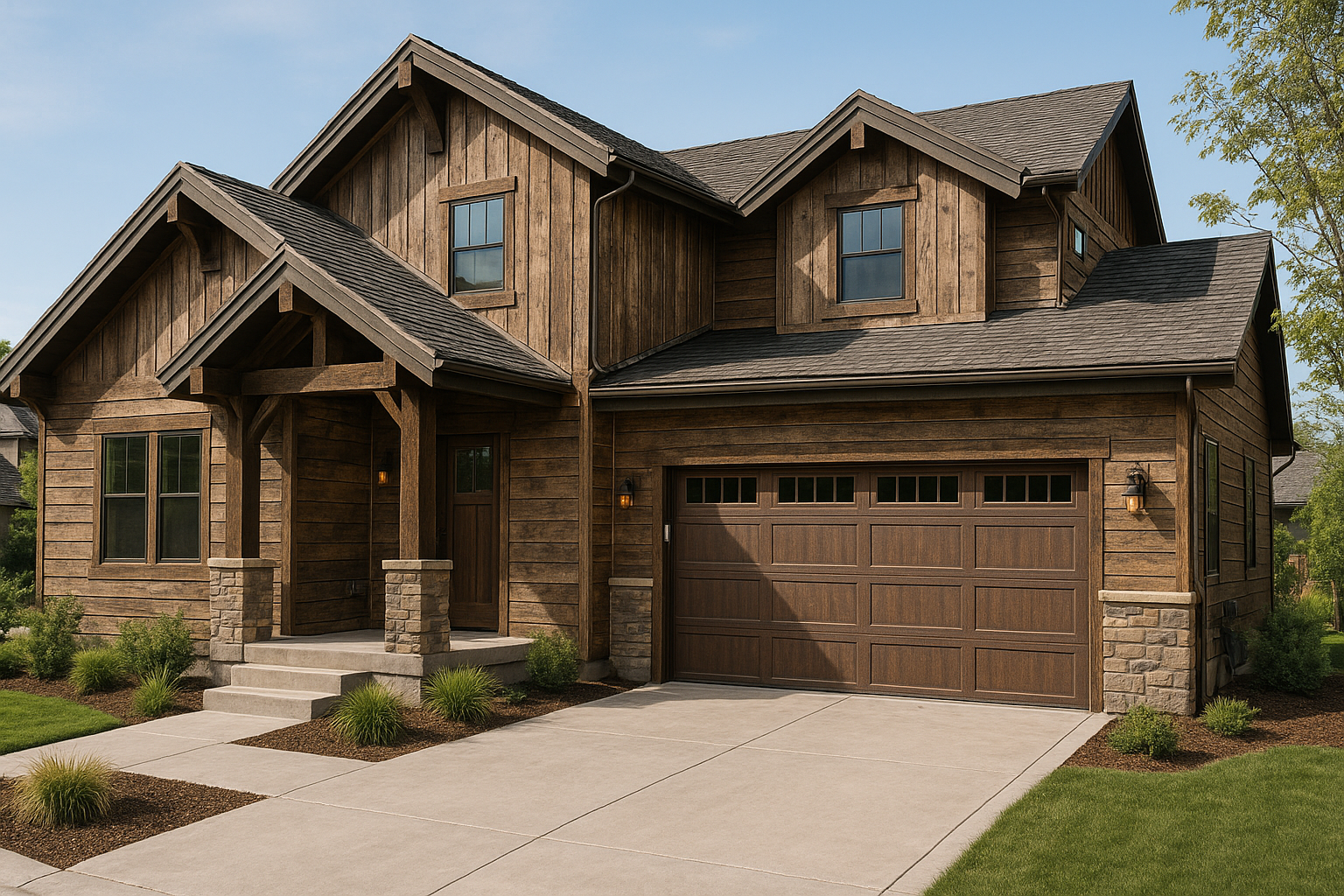
Picture a home that looks warm even when the mountains are frosty. That lived‑in, settled feel where the siding tells a story without saying a word. That’s the charm of distressed Wood Siding. Whether you’re refreshing a bungalow in Sugar House or giving a café on 9th and 9th some personality, a rustic exterior can tip your curb appeal from nice to unforgettable. And around Salt Lake City, where modern lines meet mountain views, the rustic look just clicks. You know what? It works for businesses too, not just cabins and farmhouses. It invites people in. It slows things down a little. Which, honestly, we could all use more of.
What “distressed” really means, without the guesswork
Let me explain what pros mean by distressed wood siding. We’re not talking about shabby or neglected. We’re talking about purposeful texture that mimics time and weather, with control. Think of it like your favorite leather boots: broken in, but cared for.
Common techniques we use or source:
- Wire-brushed grain exposes the springwood so the surface looks deeper and catches light beautifully.
- Circle-sawn or saw-kerf marks create those faint, rhythmic lines you see on old mill boards.
- Hand-hewn or planed edges round the sharpness so boards feel older, softer, more tactile.
- Light torching can mute fresh color and add subtle variation. Not full shou sugi ban, just a kiss of character.
- Reclaimed wood offers the real deal. It comes with nail holes, color shifts, and history baked in.
There’s a small contradiction here. We want it to look weathered, yet we protect it so it doesn’t weather too fast. The trick is building the look, then locking it in with smart installation and finishes. That’s where our team at Utah Siding & Exteriors earns its keep.
Why the rustic look works so well in Salt Lake City
Our region straddles cozy and contemporary. You’ll see black window frames next to warm wood, steel next to stone, and it all ties into the Wasatch. The rustic look fits right in, especially when life swings from dry, sunny summers to snowy winters. Distressed textures don’t fight the seasons; they sit comfortably in them.
A few local truths:
- Big sun exposure on the west and south sides means you need UV protection in your finish and smart color choices.
- Freeze–thaw cycles ask for moisture management behind the siding so boards stay stable.
- Wind and canyon gusts push us to use the right fasteners and nailing patterns, especially on gables and parapets.
For businesses, rustic cladding offers a quick visual cue. It says: come on in. Coffee, craft beer, boutique retail, dental offices trying to feel less clinical; they all benefit from that familiar texture outside and on accent walls inside.
Material options that look old but perform new
Here’s the thing. You can get a rustic look from different materials. Some are pure wood. Others are composite or cement products that mimic wood grain. Each one has a vibe, a price range, and a care plan.
| Material | Realism and Texture | Maintenance Needs |
|---|---|---|
| Reclaimed wood | Authentic patina, nail holes, color variation that can’t be faked | Moderate to high; sealing and consistent upkeep are key |
| Cedar siding or pine, distressed new | Convincing distress patterns with controlled grading | Moderate; best with back-priming and quality stains |
| Engineered wood panels and lap (LP SmartSide) | Embossed grain with optional rustic textures | Lower; factory finishes extend repaint cycles |
| Fiber cement planks and panels | Convincing “Cedarmill” style graining, very stable | Low; holds paint well and resists pests |
We install all of these. Reclaimed is gorgeous but supply can be quirky. Distressed cedar offers warmth and fragrance. Engineered wood and fiber cement bring extra stability with a rustic face. Want a mountain-modern look that still feels cozy? A fiber cement panel system with wood-look battens is a smart, durable route.
Profiles that shout rustic without yelling
Profile matters as much as material. It’s the silhouette your house throws at golden hour. These are client favorites in northern Utah:
- Board-and-batten delivers classic farmhouse rhythm. Wide boards, slim battens. Clean lines, tons of shadow play.
- Shiplap reads both modern and rustic. Horizontal lines that feel calm and confident.
- Channel rustic gives deeper reveals, great for dramatic shadows on long walls.
- Bevel siding is traditional and subtly refined, especially when distressed and stained.
A smart mix? Board-and-batten on gables, shiplap on the main body, and stone at the base for grounding. For commercial spaces, we often use a distressed wood accent wall to frame signage or entries, then switch to fiber cement where traffic and sprinklers are more aggressive.
Finishes and colors that age with grace
Color is mood. And in Salt Lake City, our light is bright. Oils and stains read differently at 4,200 feet than at sea level, so sampling is essential. We always test swatches on your site in both sun and shade.
Popular finishing paths:
- Semi-transparent stains show the grain while toning color. Walnut, smoky oak, and aged chestnut are timeless.
- Penetrating oils add depth and water resistance. Great on cedar, with a soft sheen.
- Bleaching oils create that silver-gray driftwood vibe. Works beautifully with black trim.
- Factory finishes on engineered wood or fiber cement for longer repaint cycles and consistent tone.
Trend alert, minus the gimmicks: warm medium browns paired with dark bronze metal, or a soft gray-brown against creamy stucco. And if you’re going modern, try a desaturated brown beside charcoal windows. It’s calm, not cold.
Installation that keeps the look and sheds the headaches
Rustic doesn’t mean rough around the edges during install. We build the system behind the siding so the texture you love lasts longer. Our field teams follow a repeatable, local-tested process:
- Weather-resistive barrier with taped seams and properly flashed penetrations, so water stays outside where it belongs.
- Rainscreen cavity using furring or drainage mats to promote airflow and fast drying.
- Back-priming and end-grain sealing on wood products to reduce moisture intake.
- Corrosion-resistant fasteners and correct nailing patterns so boards don’t split or telegraph nails.
- No-fuss flashing at windows, doors, and transitions. Metal or flexible flashing that won’t fight the finish.
We coordinate with HOAs, check clearances above grade and patios, and protect landscaping. If your project is a business, we’ll stage areas to keep you open while we work. Quiet tools early, faster production once doors open. It’s a rhythm we’ve learned on dozens of storefronts.
Maintenance that’s honest and manageable
Is rustic wood high-maintenance? Yes and no. Natural wood asks for a little care. But smart finishes and a rainscreen make a big difference. Plan for this and it’s simple.
- Gentle wash yearly with low-pressure rinse and a soft brush to remove dust and pollution.
- Recoat cycles typically 3 to 5 years for stains, 7 to 10 for factory paints, depending on sun exposure.
- Sprinklers should not blast siding. Adjust heads to avoid water spotting and mineral stains.
- Snow management matters. Keep drifted piles from burying lower boards for weeks.
We’ll document your exact finish and set up a light-touch maintenance plan so you’re never guessing. That’s less weekend work and more patio time.
Cost conversation, straight up
You don’t need a hard sell, just clarity. In our market, reclaimed wood tends to sit higher on the budget scale due to sorting and prep. Distressed cedar sits in the mid to upper range, while engineered wood and fiber cement often land more comfortably for larger elevations. Accents go a long way if you want the look without cladding the entire house. We’ll run options, show line-item differences, and match your goals. No surprises.
Common pitfalls we help you avoid
We’ve fixed plenty of “almost there” rustic projects. Here’s what trips folks up and how we steer clear of it:
- DIY distress gone too far leads to soft surfaces that drink water. Controlled texturing keeps strength.
- Skipping sealers creates blotchy aging. Pre-seal, then finish for even color and protection.
- No rainscreen traps moisture and speeds up failure. The cavity is non-negotiable in our climate.
- Wide boards without relief can cup. We choose species, widths, and profiles that stay truer.
Small choices add up. It’s craft and process, every time.
Neighborhood-by-neighborhood inspiration
We love a good local reference because style is personal and place matters:
- Sugar House cottage with bevel cedar and a soft gray stain, black door, copper lighting. Warm, not busy.
- Avenues bungalow keeping historic charm using channel rustic on gables and fiber cement on the body for balance.
- Daybreak modern farmhouse in crisp board-and-batten, medium-brown stain, bronze gutters for a friendly glow.
- Emigration Canyon mountain-modern with charcoal panels and distressed cedar accents at entries and decks.
- 9th and 9th retail with reclaimed planks framing the door, then durable painted cement boards where shoppers brush by.
See something you like from your daily route? Snap a photo. We’ll reverse-engineer the look with materials that match your budget and upkeep tolerance.
Why homeowners and businesses work with Utah Siding & Exteriors
We’re local, and that matters when you’re layering character on a building that has to face real weather. With Utah Siding & Exteriors, you get design help, proven materials, and installers who care about details you might never see but will absolutely feel in how the home ages.
- Design support with samples, mockups, and on-site color testing in your actual light.
- Code and HOA savvy to keep the process smooth and approvals quick.
- Tidy job sites and respectful crews. We protect plants, patios, and pets’ spaces.
- Warranty clarity on labor and finish so you know what’s covered and for how long.
We live here. We build here. And we stick around if you need us.
Quick FAQs people ask us first
Will distressed siding invite pests?
Not when it’s installed and finished correctly. Cedar naturally resists insects, and both engineered wood and fiber cement are tough against pests. We also detail penetrations so critters don’t find cozy corners.
What about fire concerns in the foothills?
Fiber cement is non-combustible and a smart choice in higher-risk areas. We can still achieve a rustic look with the right profiles and stain-like paint tones.
Does rustic work with stucco or brick?
Absolutely. Rustic wood makes a great accent next to stucco, brick, or stone. Contrasts make both materials look better.
Any lead-safe steps for older homes?
Yes. If we’re removing older siding, we follow EPA RRP protocols to keep families, pets, and landscaping safe. Dust control is serious business for us.
How about energy efficiency?
Siding itself is not insulation, but a rainscreen and a continuous insulation layer behind the cladding can tighten your envelope. We’ll show you where the wins are without overcomplicating it.
Ready for that warm, rustic look without the stress?
If you’re picturing your place already, let’s get you samples and real numbers. Reach Utah Siding & Exteriors at 801-509-9241 and talk through ideas with a specialist who knows our neighborhoods, HOAs, and weather. Prefer to skip the phone for now? Click Request a Free Quote, and we’ll set up a convenient visit, bring finish swatches, and map out a plan that fits your budget and timeline. Your home or business can feel rooted, inviting, and ready for every season along the Wasatch. We’ll help you get there, clean and simple.