
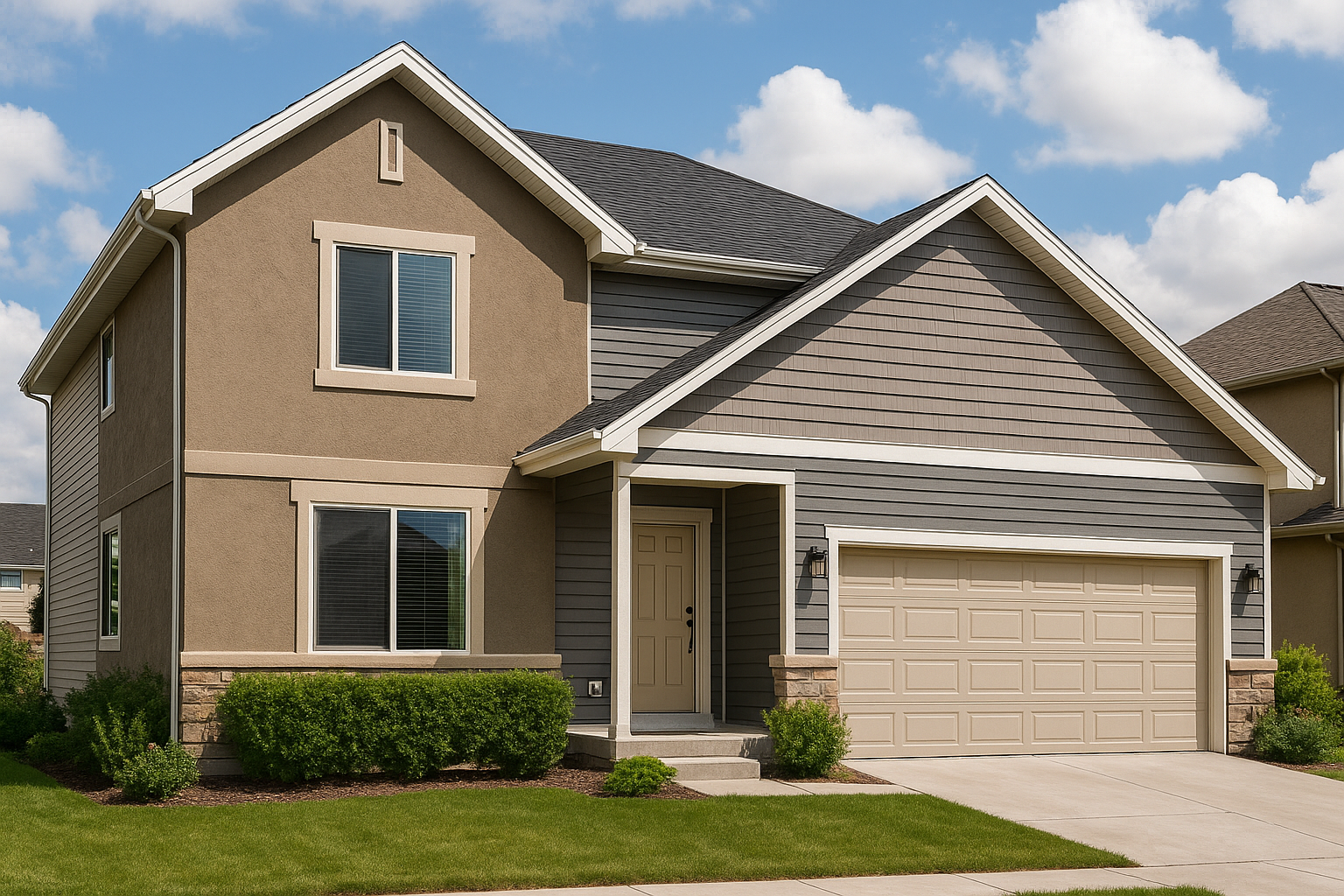
Thinking about fixing or replacing your exterior? You’re not alone. Across Salt Lake City and the Wasatch Front, we see the same questions pop up about stucco cracks, faded siding, wind damage, and energy loss. It’s a lot to weigh—style, cost, durability, code—but it doesn’t have to be confusing. At Utah Siding & Exteriors, we help homeowners and businesses land on smart, lasting choices that hold up through snow, sun, and spring winds. You know what? With the right plan, the project can even feel easy.
How do I know it’s time to Replace Stucco or siding?
Some signs are obvious, others hide in plain sight. Here’s the thing: small issues can snowball during freeze-thaw cycles, so catching them early saves a bundle.
- Cracks and bulging. Hairline stucco cracks are common, but widespread spiderwebbing, bulges, or hollow spots suggest trapped moisture.
- Soft spots or rot. If trim or sheathing feels spongy, there’s water sneaking in—often around windows, kick-out flashing, or rooflines.
- Faded, chalky panels. UV at our elevation chews up color. When siding looks tired and powders off, the protective layer is gone.
- Higher energy bills. Drafts, cold walls, or hot second floors can signal gaps, failed caulking, or a poor moisture barrier.
- Loose, rattling, or warped boards. Utah wind finds weaknesses. If panels move in the breeze, water follows.
One mild contradiction we hear: “It looks fine from the street—so it must be fine.” Sometimes that’s true. Sometimes it isn’t. We use moisture meters and careful probing to confirm before recommending stucco replacement or Siding Replacement.
Stucco vs. siding: what works best in Salt Lake City?
Short answer: both can be excellent when they’re installed right. Longer answer: match the system to your building and exposure.
Traditional hard-coat stucco gives a classic look, with great fire resistance and quiet interiors. It needs correct flashing, control joints, and a drainage plane to handle snow melt and storms. Painted with a high-quality elastomeric, it lasts and looks sharp.
EIFS (synthetic stucco) can be warm and efficient, especially with foam layers. But it must be detailed as a drainage EIFS—no shortcuts. When EIFS traps water, it becomes a problem. We fix older EIFS with new WRBs, flashings, and weep details.
Fiber Cement Siding—think James Hardie—is a workhorse along the Wasatch Front. It resists fire, holds paint well, and doesn’t warp in sun. It’s popular for both homes and storefronts because it blends style with strength.
Engineered wood like LP SmartSide delivers a warm, wood-like look without so much fuss. It’s light, fast to install, and strong against impact from hail or a rogue soccer ball.
Vinyl Siding is budget-friendly and fast. With better color technology now, it does fine in many neighborhoods. We just place it thoughtfully—shade matters, and darker colors get hot in high-altitude sun.
Metal siding (steel or aluminum) brings a modern vibe and great longevity. It’s common on commercial buildings but can look fantastic on townhomes or custom homes too.
The right choice depends on architecture, budget, and your tolerance for maintenance. Let me explain: a stucco Tudor in the Avenues wants a different approach than a warehouse near 3300 South. That’s normal.
What does replacement cost in Salt Lake City?
We’re careful with numbers because site conditions vary. Still, ballparks help. These are typical installed ranges for full tear-off and replacement in our area; your project may land outside these ranges based on complexity, height, insulation needs, and repairs.
| Material | Typical Range per sq ft | Notes |
|---|---|---|
| Fiber Cement (James Hardie) | $12–$20 | Great in sun; paint cycles are long |
| Engineered Wood (LP SmartSide) | $11–$18 | Warm look; impact resistant |
| Vinyl Siding | $7–$13 | Budget-friendly; consider color depth |
| Hard-Coat Stucco | $14–$24 | Classic finish; strong fire rating |
| EIFS (Drainage) | $16–$28 | Energy-friendly; must drain right |
What moves the needle: tear-off vs. overlay, sheathing repairs, insulation upgrades, scaffolding for tall elevations, and custom metal flashings. We’ll show you a line-item quote so the math makes sense.
How long will it take?
Most homes run 7–21 working days once materials arrive. Commercial timelines vary with size and phasing. Weather can stretch things, especially for stucco, which needs cure time and certain temperatures. That said, we work year-round and plan around forecasts to keep you moving. Permits and HOA approvals add time up front; we handle that paperwork so you don’t have to babysit it.
Will new siding actually help with energy and noise?
Yes—though the improvement comes from the system, not just the outer skin. We upgrade the moisture barrier and air sealing, add rigid foam when requested, and create a rainscreen gap that lets walls dry. That reduces drafts and helps your insulation do its job. Inside, you’ll feel fewer hot-cold swings. Street noise drops too, especially with fiber cement or insulated vinyl.
It’s not magic, but a tighter wall is like a well-zipped parka. Same house, better comfort.
What about moisture and the dreaded rot?
Moisture doesn’t care how pretty the finish is; it follows physics. We fight that with simple, proven layers: a quality WRB (weather-resistive barrier), correct flashing at every window and roof tie-in, and a ventilated rainscreen so water has a way out. If we find damaged sheathing, we replace it. If your windows need pan flashing that wasn’t there before, we add it. We’d rather be thorough once than patch forever.
Can you go over existing siding or stucco?
Sometimes, yes. Often, no. Here’s why: overlays can trap moisture, hide rot, and void warranties if the base layer isn’t sound. We’ll check with pin probes and core samples. If the substrate is healthy and code allows, we might add furring strips and create a rainscreen over what’s there. If it’s sketchy, tear-off is the wise move. Mild contradiction time: overlays can be faster and cheaper—but only when they’re safe and documented.
What styles and colors hold up here?
Our sun is no joke. UV exposure in Salt Lake City beats up cheap pigments. We recommend premium, fade-resistant colors and finishes for James Hardie, LP SmartSide, and high-grade vinyl. For stucco, elastomeric coatings add crack-bridging and color staying power. We’ve found earth tones, stormy grays, and crisp whites all do well—just watch deep, super-dark colors on south and west walls.
If you’re in an HOA or near historic pockets like the Avenues, we’ll match approved palettes and profiles so approvals go smoothly. Sample boards help; so do quick 3D mockups if you want to “see it” first.
Commercial buildings: anything different I should know?
Yes—details scale up. We plan for traffic impact, fire ratings, and maintenance access. If your project involves foam layers or metal panels near occupied spaces, we’ll review assemblies for compliance with relevant fire standards. Impact zones around loading docks and entries get tougher cladding or guards. And we phase work so tenants or customers can keep moving without stepping through a jobsite.
Can you install in winter?
We do. For fiber cement, engineered wood, and vinyl siding, cold isn’t a big deal—we manage clearances for expansion and use cold-weather sealants. For stucco, temps matter; coats need controlled heat and cure time. We tent, we use heaters, and we watch the forecast. If a cold snap is coming, we plan around it. No guessing games with your exterior.
What maintenance will I have after replacement?
- Fiber cement and LP SmartSide. Rinse dust once or twice a year; repaint on schedule with quality paint. Caulk checks every couple years.
- Stucco. Wash gently; touch up hairline cracks; repaint with elastomeric when needed. Keep sprinklers off walls.
- Vinyl. Mild soap and water. No pressure washers up close. Be mindful of grills; heat can warp panels.
It’s like car care: a little attention, long life.
What warranties come with new siding or stucco?
Manufacturers back their products with solid coverage when installed by trained crews. Common examples: James Hardie limited 30-year on boards, LP SmartSide limited 50-year on substrate, and high-end vinyl with limited lifetime terms. Our labor warranty covers installation craftsmanship. We register and keep your documents neat, so if you ever need a claim, you’re not chasing paperwork.
Can you help with insurance claims for hail or wind?
Yes. We document damage with photos, elevations, and measurements. We meet adjusters on-site, compare scope, and make sure your property gets restored, not downgraded. If you’re in a time crunch because of exposure, we can do temporary weatherproofing while the claim processes.
Permits, HOAs, and inspections—how messy is that in Salt Lake City?
Not messy when we handle it. Larger siding replacement in Salt Lake City often requires a permit, especially with sheathing changes or insulation upgrades. We pull permits, schedule inspections, and follow city requirements. If your HOA needs color or material submittals, we’ll package those so approval goes faster. Neighbors appreciate clean job sites; we keep debris down and parking clear.
How should I choose a contractor?
- Licensing and insurance. Ask for proof—easily shared, never awkward.
- Local experience. Salt Lake sun and snow are unique; methods should reflect that.
- Details in writing. Scope, flashing methods, WRB type, and warranty terms. Clarity saves headaches.
- References and photos. Recent projects, not just a greatest-hits album.
- Dedicated crews. Trained installers produce consistent, tidy work.
One more thing: if a bid is dramatically lower, it often means missing layers—no rainscreen, thin WRB, or skipped flashings. The exterior might look nice for a year, then problems show up. We build it right from the studs out.
Quick material snapshot
| Material | Typical Lifespan | Maintenance |
|---|---|---|
| Fiber Cement | 30–50+ years | Low; repaint on schedule |
| LP SmartSide | 25–40+ years | Low–moderate; repaint cycles |
| Vinyl | 20–30+ years | Low; gentle washing |
| Hard-Coat Stucco | 40–60+ years | Moderate; coatings as needed |
| EIFS | 25–40+ years | Moderate; detail inspections |
These ranges stretch with good design and maintenance. They shrink when water is trapped. Simple as that.
Lightning-round FAQs
- Can you mix materials? Yes—stucco with fiber cement accents, metal with wood-look trims. Mixed textures look great in Sugar House and newer infills.
- Can vinyl be painted? Sometimes, with the right paint and color range. We’ll advise so you don’t overheat panels.
- What about lead paint on old homes? We follow lead-safe rules during tear-off to keep families safe.
- Do you install rainscreens? Absolutely. A ventilated cavity is our standard on most siding jobs.
- How about multifamily or HOA complexes? We phase buildings, maintain access, and coordinate clear resident notices.
If you don’t see your exact question, ask us. There aren’t many wall problems we haven’t met on the Wasatch Front.
Why Utah Siding & Exteriors?
We blend practical field wisdom with clean design. Our crews are trained on stucco replacement Salt Lake City requires, plus fiber cement siding, LP SmartSide, and high-grade vinyl siding. We sweat the little things—kick-out flashings, window pans, vent terminations—because they keep walls dry. Home or business, new build or retrofit, we build with the next storm in mind.
Ready to talk about your exterior?
Let’s look at your walls, your style, and your budget—and get you a clear plan. Call Utah Siding & Exteriors at 801-509-9241 or tap to call now. Prefer email? Click here to Request a Free Quote. We’ll bring samples, explain options in plain language, and give you a detailed estimate you can trust.
One conversation, no pressure. Just solid answers for your home or business in Salt Lake City.