
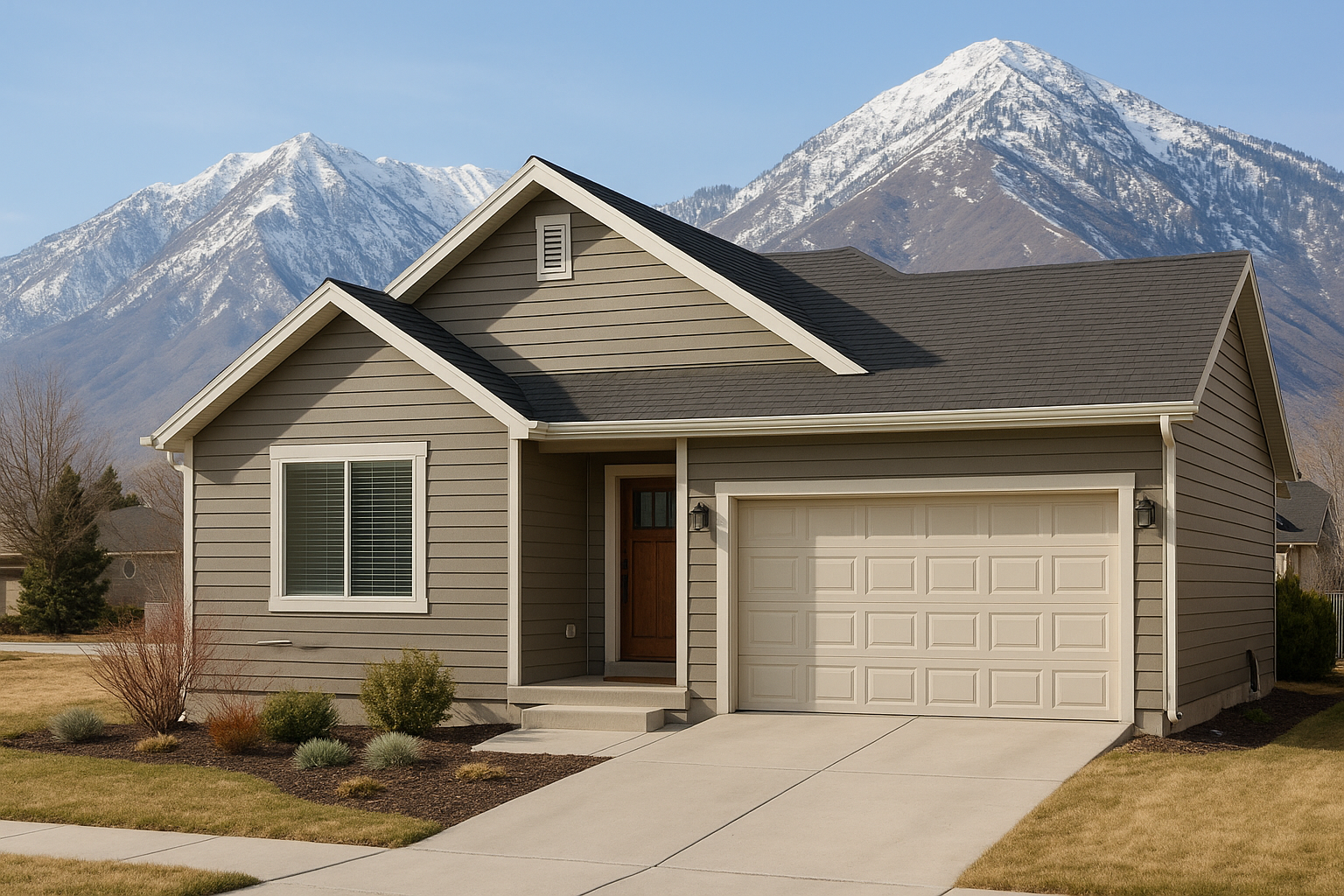
If you’ve got Steel Siding, you’ve already made a smart call for strength and style. It stands up to Utah sun, Wasatch winds, and those surprise summer hail bursts. Still, even tough siding gets little scrapes, dents, and rust freckles. The good news? Many of those small problems are easy to handle with a free weekend, a few tools, and a steady hand. Here’s a clear, friendly walkthrough from your neighbors at Utah Siding & Exteriors—made for homeowners and businesses across Salt Lake City who want things fixed fast, fixed right, and fixed without fuss.
First things first: is it minor damage or more?
Let me explain. Not every hiccup calls for a full panel replacement. If the panel’s shape is mostly intact, color is consistent, and moisture hasn’t crept behind it, you’re probably in the “minor repair” zone. If you’re seeing big buckles, deep creases, or rust that flakes off in sheets, that’s edging into replacement territory.
| Damage Type | Quick DIY Fix | Call a Pro If… |
|---|---|---|
| Small scratch or scuff | Clean, prime bare steel, touch-up paint | Color mismatch is extreme or clear coat is peeling |
| Penny-sized rust spot | Sand, rust converter, primer, paint | Rust runs under seams or keeps returning |
| Shallow dent (hail, baseball) | Wood block and rubber mallet; light filler if needed | Deep crease crossing seams or oil-canning spreads |
| Loose, rattly panel | Refasten with proper screws and washers | Panel won’t sit flat or fasteners stripped out |
| Leaky seam or trim gap | High-performance sealant; check flashing | Persistent water stains or hidden rot at sheathing |
Here’s the thing: minor damage caught early saves money. Especially along the Wasatch Front, where sun, wind, and snowmelt swing hard between seasons, the small stuff can snowball if it’s ignored.
Gather your gear without overthinking it
You don’t need a truckload of tools. Most fixes use a short list you can pick up around Salt Lake City—Home Depot (2000 S 300 W), Lowe’s (in Riverton or South Salt Lake), or your local Ace in Sugar House. Brands we trust for steel siding repair:
- Cleaners: Simple Green, Krud Kutter, or a mild dish soap mix
- Rust treatment: Rust-Oleum Rust Reformer or Permatex Rust Converter
- Primer: Self-etching or epoxy primer rated for bare metal
- Paint: Factory touch-up if you can get it; small-batch mixes from Sherwin-Williams (ask for WeatherXL or PVDF compatible) for spot work
- Sealant: OSI Quad Max or Geocel 2300 for joints and trim
- Tools: Microfiber towels, fine-grit sandpaper (220–320), painter’s tape (FrogTape), rubber mallet, small wood block, putty knives, and a drill driver
- Optional: A small amount of automotive body filler (3M/Bondo) for tiny creases you can’t tap out
Safety check: gloves for sharp edges, safety glasses for sanding, and a stable ladder on firm ground. If you’re near power lines, keep your ladder far away—no exceptions.
Scratches and scuffs: a few thin coats beat one heavy one
Scratches show up fast on steel—especially darker colors that look amazing against red rock tones. You know what? They’re usually easy.
Step-by-step
- Wash the spot. Remove dirt, chalk, and salt residue (winter road spray can reach siding). Rinse and dry well.
- Feather the edges. Lightly sand around the scratch so paint has “tooth.” You’re not grinding—just softening a hard edge.
- Prime bare metal. If you see silver steel, use a self-etching or epoxy primer. Let it cure fully.
- Touch up with compatible paint. Dip a small artist brush or foam applicator. Two to three whisper-thin coats beat one globby coat.
- Blend slightly outward. Extend the last coat a half-inch wider to fade it in, but keep it tight. You don’t want a big patch.
Note on color: Factory finishes like PVDF (Kynar 500) or SMP (WeatherXL) have sheen you can’t exactly copy with hardware-store paint. That’s fine for tiny spots, but avoid repainting entire panels by hand—it can show from the street.
Rust freckles: stop them fast, and they usually stay gone
Salt Lake’s winter mix and sprinkler overspray can leave iron stains and tiny rust blooms on steel. Don’t panic—just act.
The quick rust routine
- Mask and clean. Tape off trim lines you want to protect. Wash with a degreaser and let dry.
- Sand the rust. Use 220–320 grit to knock off loose material. Wipe clean.
- Convert or treat. A rust converter locks remaining oxidation. Follow the label and cure times.
- Prime smart. Use an epoxy or metal primer over the converted area. Thin coats, full coverage.
- Paint and protect. Touch up with a color match. If the area sits near sprinklers, consider adjusting heads or adding a short splash guard at grade.
One contradiction that makes sense: steel loves staying dry, but it handles water well. It’s standing water and trapped moisture that cause trouble. Keep seams clean and caulked, and those freckles rarely return.
Small dents: coax, don’t smash
Hail along the Wasatch Front can tap panels. Most light dents will “want” to spring back with gentle pressure.
Try this first
- Back the dent. If you can reach behind the panel (loose bottom edge or end), hold a small wood block against the low spot.
- Tap the perimeter. Use a rubber mallet to work from the edges of the dent toward the center. Small, patient taps. You’ll feel it move.
- Refine. If a tiny crease stays, apply a paper-thin skim of body filler, sand smooth when it cures, prime, then touch up paint.
If the dent cuts across a seam, you see sharp creases, or the panel oil-cans after tapping, it’s time to stop. That’s not “minor” anymore; it’s a candidate for panel swap with color-matched stock. We handle that kind of steel siding repair work every week across Salt Lake City.
Rattles and loose panels: quiet them without over-tightening
Wind tunnels around downtown buildings and foothill gusts can make steel chatter. It’s annoying, but fixable.
- Find the movement. Push lightly along the panel and listen. Often it’s a fastener that backed out or a slot that’s stripped.
- Use the right fastener. Metal siding screws with painted heads and neoprene washers hold tight without crushing finish. Avoid plain drywall screws.
- Don’t overdrive. Snug the screw so the washer kisses the panel. The panel needs a little slip for temperature swings.
- Check trims and J-channels. If wind sneaks behind, add a bead of Quad Max where trim meets the wall—never sealing weep holes meant for drainage.
Tip: In exposed corners near I-215 or the mouth of Parley’s, add an extra fastener at studs (within manufacturer limits). You’ll be surprised how much quieter the wall feels on a windy night.
Leaky seams and caulk touch-ups that last
Water usually isn’t the enemy; trapped water is. Sealing the right gaps while leaving intended drains open is the trick.
- Clean first. Old caulk won’t bond if the surface is grimy. Wipe with isopropyl alcohol after washing.
- Use high-performance sealant. OSI Quad Max and Geocel 2300 stick to coated steel and stay flexible through freeze-thaw cycles.
- Thin, continuous beads. Tool the bead with a damp finger or plastic tool. Avoid blobs that trap dirt.
- Mind the flashings. If Z-flashing is bent or missing, sealing won’t save it. Replace damaged flashing pieces first.
Here’s a small but important note: if you see staining under a window or trim that keeps coming back, the problem may be above—like a failed head flashing or a clogged weep path. That’s when a quick look from a siding pro helps.
Color match matters in high-altitude light
Utah sun is no joke. Higher altitude means stronger UV, so even factory finishes fade a shade over the years. Matching color is part science, part art.
- Start with the manufacturer. EDCO, Klauer, and Ply Gem often offer touch-up pens or small cans that match original batches.
- Bring a sample. If factory touch-up isn’t available, take a small piece (from a hidden cut or spare) to Sherwin-Williams. Ask for a match mindful of PVDF/SMP sheen.
- Test in daylight. Check your patch in morning and late afternoon light. The Wasatch’s crisp sun reveals mismatches you won’t notice indoors.
If a big panel needs paint, we usually suggest replacing instead. Fresh paint on large areas can look flat next to factory-coated neighbors. For small fixes though, a careful blend is usually invisible from the sidewalk.
Seasonal tips for Salt Lake City’s swings
Our climate keeps siding honest. A few local notes to keep in your back pocket:
- Winter and early spring: Clean off road salt film and de-icer residue. They’re small, but they add up on metal finishes.
- Spring winds: After a blustery week, walk the perimeter. Tighten any fasteners that backed out.
- Summer hail and UV: Log new dents. Tackle touch-ups early so rust never gets a foothold.
- Monsoon rains: Watch seams and window head flashings. Re-seal where movement opened gaps.
- Any season: Keep sprinklers off the siding. That one change prevents a lot of rust freckles near grade.
Honestly, a 20-minute seasonal scan saves hours later—especially for commercial buildings downtown or along busy corridors where dust and salts ride the air.
Safety and common-sense checks
Steel edges can be sharp. Ladders can be wobbly. Quick reminders worth repeating:
- Use gloves and eye protection while sanding, cutting, or hammering.
- Respect ladders. Flat ground, tied off if possible, and never overreach.
- Mind power lines. If they’re nearby, stop and call a pro.
- Ventilation. Primers and paints need fresh air. Keep windows or doors open when possible.
One more small contradiction: going slow is often faster. Careful prep makes repairs last, while rushed caulk or heavy paint means doing it twice.
Quick FAQs we hear around the Wasatch Front
We get these questions from homeowners and property managers all the time, from Sugar House bungalows to business parks by the airport.
- Can I pressure wash steel siding? Yes—use a wide fan tip, keep pressure around 1,500–2,000 PSI, and aim downward. Avoid forcing water behind laps and trims.
- What cleaner is safe? Mild soap, Simple Green, or a TSP substitute. Rinse well. Avoid strong chlorine mixes that sit too long on finishes.
- Will magnets damage steel siding? Small household magnets won’t. But scraping with hard edges can scuff the finish.
- How do I tell if paint will match? Do a small test patch in daylight, then step back 15–20 feet. If you can’t spot it, you’re good.
- Is touch-up worth it on an older building? If panels are sound, yes. Smart touch-ups extend service life and keep curb appeal strong between larger refreshes.
When it’s better to call Utah Siding & Exteriors
DIY has limits, and there’s no shame in that. It’s your building, not a test project. Reach out if you see:
- Deep creases or buckling that won’t sit flat
- Rust under seams or across multiple panels
- Storm damage from hail or wind that impacts several sides
- Persistent leaks near windows, doors, or parapets
- Color-match trouble on visible elevations (street-facing walls)
We’ll assess honestly—repair when it makes sense, replace when it’s smarter. For businesses, we also schedule work to minimize downtime and protect customer access, which matters on busy streets and shared lots.
A few real-world scenarios from around Salt Lake City
We’ve seen patterns. A Capitol Hill homeowner noticed fine rust near a hose bib. A quick sand-convert-prime-paint routine fixed it for good. In South Salt Lake, a retail strip had panels chattering from canyon winds; two hours of fastener swaps with neoprene washers and fresh sealant at trims made it quiet. And in Millcreek, hail left a handful of shallow dings—tapped out gently and touched up the same day. Small issues, solved fast. That’s the goal.
Your next step: keep it simple and give yourself some grace
Minor steel siding repair isn’t a mystery. It’s a careful clean, a smart product choice, and light, patient hands. If you’ve got questions—or want a quick set of eyes on a tricky spot—Utah Siding & Exteriors is here for homeowners and businesses across Salt Lake City and the surrounding Wasatch Front.
Ready to talk through your project? Call us at 801-509-9241. Prefer to keep it online? Tap to call now or Request a Free Quote from Utah Siding & Exteriors”>Request a Free Quote. We’ll help you sort out the quick fixes, match the color, and get your place looking sharp again—no stress, just solid work that holds up to Utah weather.