
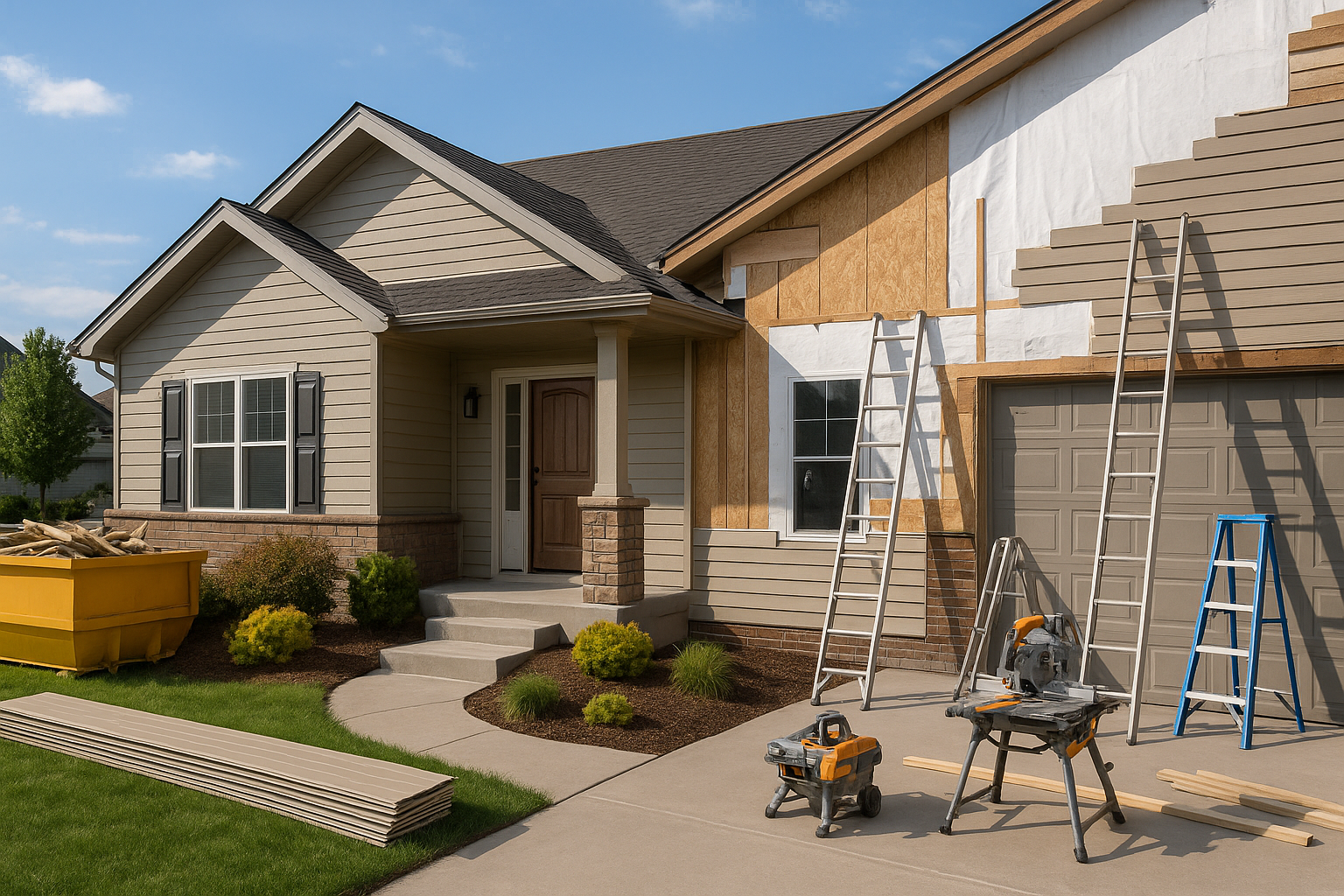
You can replace siding and call it a day. Or you can line it up with a few smart renovations and get a house that looks better, performs better, and costs less to maintain. Homeowners and businesses across Salt Lake City tell us the same thing: when you plan projects together, everything tends to click. The trim lines up. The schedules make sense. And you usually stretch the budget farther than you thought. Let me explain how to make that happen without turning your week into a construction marathon.
Why pair siding with other renovations? Simple: one setup, many wins
When you schedule Siding Replacement in Salt Lake City alongside related exterior work, you share equipment, crews, and time. That matters. Scaffolding goes up once. Dumpsters get filled once. Your lawn has to deal with foot traffic once. And yes, the permit runs under one plan, which keeps the city sign-off tidy.
- Lower overall cost — Fewer mobilizations and overlapping labor save money. Not every time, but often enough that we ask about your wishlist on day one.
- Cleaner design — Joints, trims, and colors are planned together. Your new Fiber Cement Siding actually meets those new windows with a crisp line, not a shim and a prayer.
- Better performance — Siding plus house wrap and exterior insulation improve comfort and reduce drafts. That’s big during Wasatch winters and bright, high-altitude summers.
- Shorter disruption — One calendar block means fewer days with a construction crew in your driveway, fewer surprise doorbell rings, and less back-and-forth for your tenants or employees.
You know what? The real win is subtle. Your home or building ends up with a system—cladding, flashing, windows, and weather barriers—designed to work together. That system sheds water, controls airflow, and handles freeze-thaw without drama.
What pairs best with new siding?
We see certain combos again and again around Sugar House bungalows, downtown offices, and newer builds in Daybreak. Here’s what usually clicks.
Windows and doors
Swapping energy-efficient windows and exterior doors during siding work lets us integrate flashing, sill pans, and trim the right way. That means fewer leaks and less air infiltration. If you’ve ever watched wind-driven rain during a March squall here, you know why that matters.
- Sequence — Windows and doors go first. Siding follows to tie into the nailing fins and flashing.
- Finish detail — Color-matched trim, back-caulked joints, and head flashings that actually shed water.
House wrap, rain screen, and continuous insulation
Behind the siding is the quiet hero: the WRB (weather-resistive barrier). We install Tyvek or a drainable wrap like Benjamin Obdyke HydroGap, then add furring strips for a rain screen if the design calls for it. Add continuous exterior insulation—rigid foam or mineral wool—and your walls feel calmer year-round.
- Why it matters — Better drying, fewer cold spots, and improved energy scores without major interior work.
- Utah-specific — Freeze-thaw cycles and spring melts are kinder to walls that can breathe and drain.
Gutters, soffits, and fascia
New gutter replacement with properly sized downspouts protects the new siding and your foundation. Matching soffit vents keep roofs cooler and reduce ice dams up in the Avenues or Emigration Canyon.
Roof edges and flashing
We don’t always replace a roof with siding—but coordinating drip edge, step flashing, and fascia is smart. If your roof is on its last stretch, we’ll talk sequence with your roofer so the overlaps are clean.
Exterior lighting, outlets, and vents
Planning light fixtures, GFCI outlets, hose bibs, and dryer vents now means tidy penetrations and sealed boxes. No late-game holes in brand-new siding. Small detail, big difference.
Porches, decks, and masonry accents
Skirting, ledger flashing at decks, and cultured stone accents all want to meet the siding with purpose. If you’ve dreamed about a warm cedar entry or a stone wainscot, siding day is the day to line it up.
| Project Combo | Why It Pairs Well | Typical Timing |
|---|---|---|
| Siding + Windows | Shared trim, integrated flashing, airtight envelope | Windows first, siding second |
| Siding + Insulation/WRB | Higher comfort, lower energy use, better drying | WRB and insulation before siding |
| Siding + Gutters/Soffit | Moisture control, cleaner roof ventilation | Soffit/fascia with siding; gutters at finish |
Smart sequencing: the order makes or breaks the result
Construction has a rhythm. When we follow it, your exterior stays dry, straight, and calm through our big Utah swings in temperature.
- Demo and inspection — We remove old siding and check sheathing for rot or waviness. If we find surprises, you’ll see photos and options—no guesswork.
- Framing tweaks and sheathing — Straight walls make straight lines. We plane, shim, or replace as needed.
- Windows and doors — Install, square, insulate the gaps, and flash the openings.
- WRB and flashing — House wrap, tapes, sill pans, and head flashings. The water management plan gets built here.
- Continuous insulation and rain screen — If specified, we add foam or mineral wool and furring strips for a drain gap.
- Siding install — Fiber cement like James Hardie, LP SmartSide, or Vinyl Siding—nailed per spec, joints staggered, trims tight.
- Fascia, soffit, and gutters — Button it up and route water away.
- Sealants and paint — Color-match caulks, touch-ups, and a final polish.
Sometimes we bend this order. For example, commercial projects may need signage installed last or special access timing for tenants. We’ll plan that with you.
Budget math: where you actually save
Bundling projects isn’t magic—it’s math. Here’s where numbers move in your favor.
- Mobilization — One mobilization fee instead of two or three. Crews and equipment are already on-site.
- Shared materials — Trims, flashings, and sealants used across scopes reduce partial orders and waste.
- Permits and inspections — One plan set. Fewer site visits. Faster signoffs.
- Design and color — Picking colors once for home renovations means fewer samples, fewer repaints, fewer second thoughts.
Could separate projects sometimes be cheaper? If timelines are months apart or financing is staggered, yes. But when goals align and schedules allow, combined work tends to stretch the dollar further. Honestly, it’s the momentum—it saves labor hours you don’t see on paper.
Energy perks for Utah homes and buildings
Our climate bounces. Cold valley nights, hot summer sun, and fierce canyon winds. A tighter exterior helps.
- Windows with the right specs — In Salt Lake City, we like U-factors around 0.27 or lower and SHGC balanced to manage summer sun. For west-facing glass, we often suggest a slightly lower SHGC.
- Continuous exterior insulation — Even a half-inch of foam over studs breaks thermal bridges. Mineral wool is great for fire resistance and drainage.
- Better WRB and tapes — High-performance tapes stick in the cold and stay stuck in UV. That matters at our elevation.
Bonus: check current programs from Rocky Mountain Power and Dominion Energy, along with federal incentives for doors, windows, and insulation. We’re happy to coordinate documentation so you can talk with your tax pro or utility about what qualifies.
Style that survives sunlight and snow
Design isn’t only mood boards. Sun fade, snow splash, and spring dust storms are real here. We pick materials and colors with that in mind.
- Color — Mid-tone grays, desert sages, and rich navies hold up well. Super-dark panels look amazing but may run warmer; we’ll pick products rated for it.
- Profiles — Horizontal lap feels classic across Sugar House and the Avenues. Vertical board-and-batten leans modern—works great on new farmhouses or mountain-modern infill.
- Textures — Cedar-look on gables with smooth lap below gives depth without going busy.
- Metal accents — Standing seam porch roofs or metal panels pair well with James Hardie and LP trims for long life.
Siding is just skin, right? Not quite. It’s the raincoat and the face. Pick the right one and your home wears the weather well.
Homeowners, property managers, and businesses: a few tailored notes
For homeowners
- Pets and routines — We map access and quiet hours. Crews note gates, kid schedules, and work-from-home calls.
- HOA approvals — Color boards, manufacturer data, and sample pieces help approvals go smooth.
- Lead-safe work — For pre-1978 homes, we’re EPA RRP compliant. Safer for kids and gardens.
For businesses and property managers
- Tenant communication — Clear notices, staging areas, and daily cleanup keep operations moving.
- Signage and branding — We coordinate anchor points and lighting for logos and wayfinding.
- Access windows — Early mornings or weekend pushes when needed. We know downtown loading zones can be tight.
Whether it’s a 1920s brick-and-siding mix or a retail strip with lots of glass, we’ll phase work to reduce downtime and keep entrances safe.
Timing and seasonality along the Wasatch Front
Can we replace siding in winter? Often, yes. We just adjust the plan. Adhesives change. Caulks get cold-rated. We watch forecast windows to prevent moisture issues during WRB steps. Summer moves faster, but color selection and product lead times can get spicy in peak months; ordering early helps.
- Spring — Great for WRB and paint; watch rain timing.
- Summer — Fastest installs; schedule early.
- Fall — Sweet spot for comfortable crew days and stable curing.
- Winter — Doable with planning; we protect materials and pace weather-sensitive tasks.
Side note: If you’re planning windows, order times vary by brand and color. We’ll build that into the calendar so siding lands right after.
Red flags to avoid before you sign anything
- No flashing plan — If nobody mentions head flashing, sill pans, or WRB overlaps, pause. Water always finds the weak link.
- Mixed warranties — Make sure material and labor warranties play nice. Some require certified installers or specific fasteners.
- Ventilation blind spots — Soffit vents, dryer vents, and bath fans need clear, sealed paths. Don’t bury problems behind new panels.
- Skipping sheathing repairs — Wavy walls won’t look straight under new siding. Fix it first.
We’ve been called to redo projects that ignored these basics. It’s never fun. A good plan upfront beats a rescue later.
Materials that work hard in Salt Lake City
Different buildings need different gear. Here’s what performs for us locally.
- Fiber cement siding — James Hardie is our go-to for durability, fire resistance, and crisp lines. Great with color-stable finishes.
- Engineered wood — LP SmartSide balances warmth and strength. Lighter to handle; takes paint well.
- Vinyl siding — Budget-friendly and low maintenance. Newer insulated vinyl options help with sound and minor energy gains.
- Metal — Vertical panels or accents for modern façades. Excellent UV and weather performance when detailed right.
Not sure which path suits you? We bring real samples to your porch or conference room. Feel the texture, see the color in Utah light, and compare trim packages side by side.
Our process at Utah Siding & Exteriors
We keep it simple and thorough. You get a plan, not a pile of guesses.
- Walkthrough and priorities — We listen. What bugs you? What’s your style? What’s non-negotiable?
- Scope map — A clear list of tasks: siding replacement, energy-efficient windows, house wrap, gutter replacement, trims, paint—whatever fits.
- Design help — Color boards, profile options, and budget ranges explained in plain language.
- Schedule and prep — We calendar work, protect landscaping, and update you daily during install.
- Final check — Punch list walk with you. Photos and warranty packet delivered.
We’ve handled small bungalow refreshes and full commercial re-skins. Either way, the goal’s the same: a tight, handsome exterior that lasts.
Let’s stack your projects the smart way
If you’re considering combining siding replacement with other home renovations, we’re ready to map it out—windows, WRB, insulation, gutters, trim, lighting, and more. One plan. One crew. Fewer headaches. And a finished look that makes people slow down when they pass by. You can call us now at 801-509-9241 or tap the button below to start with numbers and ideas, not pressure.
Utah Siding & Exteriors serves Salt Lake City and the Wasatch Front with careful planning, clean installs, and honest timelines. Tell us what you’re thinking. We’ll show you what’s possible—and what’s smart—right now.