
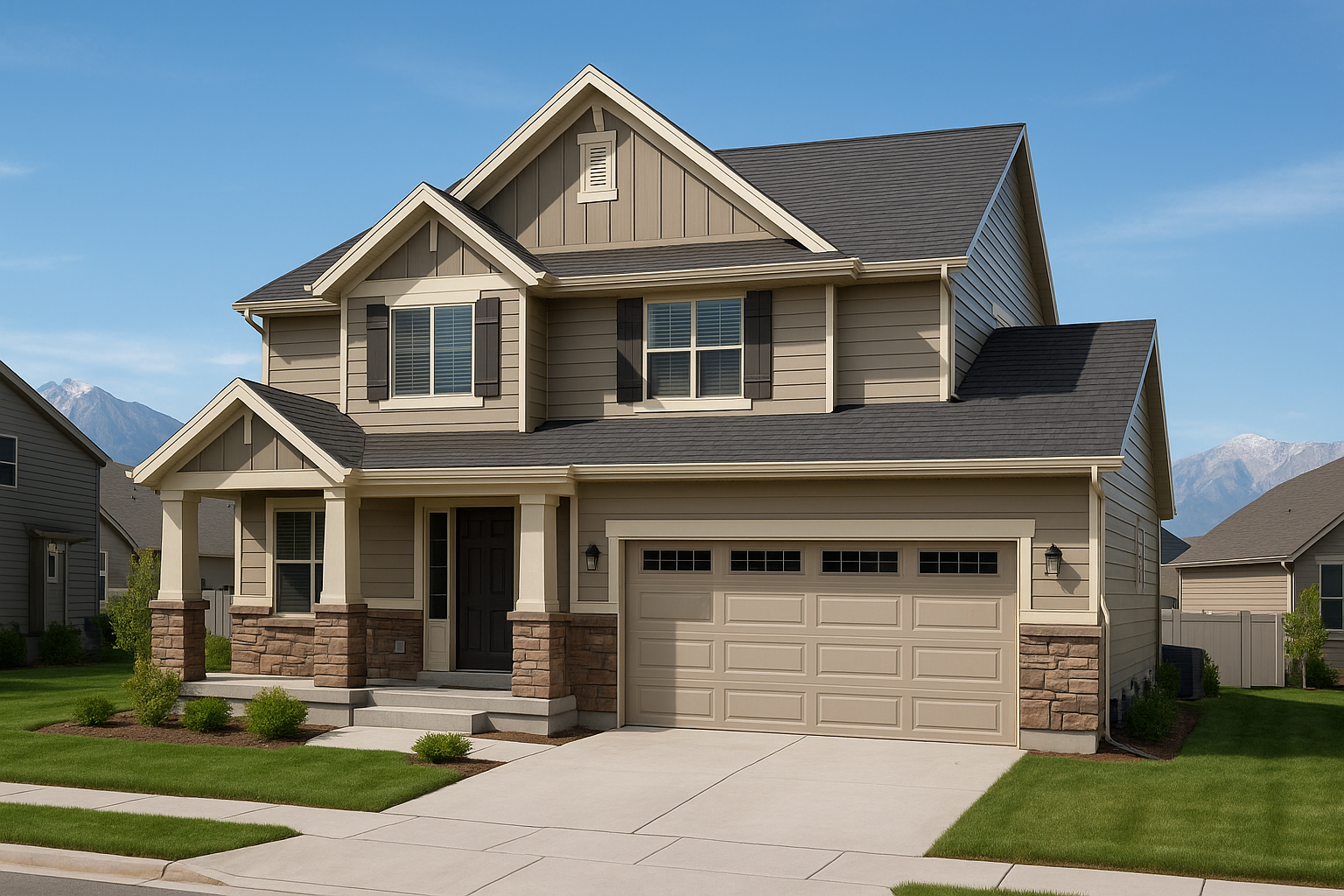
Choosing a siding contractor can feel like staring at the Wasatch Range from the valley—beautiful, but a lot to take in. You want a clean, durable look, better protection against storms and sun, and a crew you can trust at your home or business. This guide breaks things down so you can vet local siding companies in Salt Lake City with confidence. We’ll keep it plain, a bit chatty, and very practical—because your project deserves both heart and detail.
Why vetting matters more along the Wasatch Front
Salt Lake City isn’t easy on siding. High-altitude UV, freeze-thaw cycles, spring winds, and that occasional sideways snow—your exterior takes a beating. A good siding contractor Salt Lake City knows how materials behave here. They steer you toward choices that stand up to local weather and still look sharp in five, ten, even twenty years.
There’s more. Proper installation affects energy bills, indoor comfort, and even insurance claims after a storm. It also matters for curb appeal and property value—especially if you’re near a busy road like I-15 or in a historic pocket like the Avenues. Bottom line: the crew you pick shapes how your home or building handles our climate, season after season.
Licensing, insurance, and certifications: the first quick filter
Before you compare colors and trim, confirm the basics. In Utah, contractors must carry a valid license with the Utah Division of Professional Licensing (DOPL). Ask for the license number, then check it online. If a company hedges, that’s a sign to pause.
Insurance is non-negotiable. You want general liability coverage and workers’ compensation. Ask for current COIs (Certificates of Insurance) sent from the insurer—simple and standard. For older homes built before 1978, make sure the team is EPA Lead-Safe Certified for safe handling of lead paint during tear-off or repairs.
- Utah DOPL license: Active and appropriate for exterior work.
- Insurance: General liability and workers’ comp—current, verified.
- Certifications: VSI for Vinyl Siding, factory training for James Hardie or LP SmartSide, and EPA Lead-Safe if needed.
Experience that actually matches your property
Salt Lake City neighborhoods ask for different skill sets. Sugar House bungalows may need careful trim work and venting upgrades. New builds in Daybreak often require clean, modern lines and HOA coordination. A small storefront in Murray or a warehouse façade in West Valley? That’s its own rhythm—scheduling, access, and safety all step to a different beat.
Ask for project photos that look like your home or building. Even better, ask for local addresses you can drive by. If you’re in a historic district or under strict HOA rules, confirm the contractor has navigated those approvals before. It saves time and frustration—trust me.
Materials and assemblies that last at altitude
We all love a beautiful reveal line, but the stuff under the pretty face matters more. Here’s what a seasoned Salt Lake City siding contractor should discuss with you—plainly, not in riddles.
- Fiber Cement Siding (think James Hardie): Tough, fire-resistant, great for our UV. Needs correct gap spacing and flashing. Ask about 15-year finish and 30-year substrate warranties.
- Engineered wood (like LP SmartSide): Warmer wood look, lighter to handle. Requires careful clearances above grade and around roofs, plus proper primed cuts and fasteners.
- Vinyl siding: Cost-effective; choose a thicker gauge (.044″ or better), and ask about insulated backers for quieter interiors along busy roads. UV resistance is key here.
- Metal panels: Durable and sleek for modern or commercial projects; great snow-shedding with the right trim package.
Just as important: the weather barrier and flashing details. Look for a proper housewrap (Tyvek, Benjamin Obdyke HydroGap) or Zip System sheathing with taped seams. Ask about sill pans, kickout flashing at roof lines, and head flashing above windows. You should also hear about rain screens—furring strips that create an air gap for drainage and drying. It’s a small upgrade that pays for itself on our freeze-thaw days.
Estimates that actually estimate: numbers, scope, and fine print
A clean estimate reads like a road map. No fog, no guesswork. Here’s the thing: vague language tends to turn into change orders. You deserve clarity from the start.
- Detailed scope: Tear-off or overlay, sheathing repairs (with a per-sheet allowance), trim, soffit, fascia, vents, and paint or finish coat specifics.
- Brand callouts: Material lines and gauges, housewrap brand, sealant like OSI Quad Max, and fastener type (hot-dip galvanized or stainless).
- Schedule: Start window, duration, daily work hours, weather plan, and cleanup routine.
- Change orders: Who approves, how they’re priced, and how they affect schedule.
- Payments: A modest deposit, progress draws tied to milestones, and a final payment only after the punch list is complete.
| What to Ask | Why It Matters | What a Good Answer Sounds Like |
|---|---|---|
| Who installs the siding—employees or subs? | Consistency and warranty support. | “We use dedicated crews led by our site supervisor, with daily check-ins.” |
| What’s included in your weather barrier? | Moisture control and longevity. | “Tyvek + taped seams, with kickout flashing and rain screen on gable walls.” |
| How do you handle sheathing repairs? | Budget control and surprise prevention. | “$X per sheet allowance; anything beyond needs your written OK first.” |
Vet the installer, not just the brand
You can buy great materials and still get a poor job if the hands aren’t skilled. Ask who will be on-site each day and who runs the project. A named supervisor is a great sign. You should also ask about safety plans, dumpster placement, and daily cleanup—nails and kids don’t mix. Nor do sprinklers and ladders; a thoughtful crew will mark off lines and protect your landscaping.
Commercial projects carry extra layers: access control, noise windows, loading dock schedules. Make sure your contractor understands building management protocols and can coordinate with other trades. If they’re vague about logistics, the job tends to balloon.
Reviews, references, and real proof
Online ratings are useful—but read patterns, not just stars. Scan Google, the BBB, and GuildQuality if available. Look for repeat mentions: respectful crew, clear communication, and issues that were fixed fast. That last part matters; small hiccups happen on every job, so how a company responds is the real test.
Ask for three recent references and reach out. Keep it simple: Did they finish on time? Did the crew clean up daily? Any surprises on price? Would you hire them again? You know what? Most homeowners are happy to share honest feedback if you ask with a smile.
Permits, codes, and HOA rules—no shortcuts
Salt Lake City Building Services may require permits for re-siding, especially with structural repairs or major changes. Your contractor should pull the permit, schedule inspections, and handle any corrections. If you’re under an HOA, they should submit color swatches, profiles, and elevations as needed. No one loves forms, but they save headaches later.
Confirm code compliance: the current IRC, flashing at roof-to-wall joints, clearance above grade or hardscape, and venting for soffits. Ask how they protect weather barriers during high-wind days—temporary securing and staged removal help keep water out mid-project.
Warranties you can actually count on
There are two big buckets: the manufacturer warranty and the labor warranty. For example, James Hardie carries a limited 30-year substrate warranty and a 15-year finish warranty on ColorPlus finishes. LP SmartSide offers a limited 50-year warranty. Quality vinyl siding often lists a lifetime limited warranty for the original owner.
Your installer’s labor warranty should be clear—2 to 5 years is common—and specify what’s covered. Confirm that proper installation is documented with photos and receipts; some manufacturers expect that if you ever file a claim. And ask about transferability if you might sell the property.
Red flags and green lights
- Red flag: “We can start tomorrow if you pay cash today.” Good companies schedule properly and accept standard payments.
- Red flag: No license or insurance on file. That’s a hard no. You’re taking on risk you don’t need.
- Red flag: One-line estimates. “Siding job: $XX,XXX” tells you nothing about what’s included.
- Green light: Clear scope, daily supervisor, brand callouts. That points to a professional outfit.
- Green light: Past clients you can call and projects you can see. Real-world proof beats a glossy brochure.
Bonus: Winter installs, noise, and other local quirks
Yes, you can install siding in winter here—carefully. Adhesives and caulks must be rated for cold weather. Painters need a proper temperature window. Smart contractors watch the forecast and schedule crews to catch daytime warmth. They’ll also tarp and stage materials so they stay dry and workable.
If you’re near a school, hospital, or a tight neighborhood, talk noise windows and parking in advance. Inversions can slow down painting and coatings; your contractor should adjust timelines rather than rush and cause future peeling. For sun-exposed elevations, consider lighter colors and high-UV finishes to reduce fading. Small choices like these add up.
A quick, no-stress vetting checklist
- Confirm license and insurance with documents you can verify.
- Ask about material systems: fiber cement siding, engineered wood, vinyl siding, or metal—plus housewrap and flashing.
- Get a line-item estimate with brand names, gauges, and finish details.
- Meet your supervisor and learn the daily routine for cleanup and safety.
- Check three references and drive by at least one completed job.
- Review warranties—manufacturer and labor—and how claims work.
- Clarify permits/HOA and who handles submissions and inspections.
Why Utah Siding & Exteriors makes the short list
We’re locally rooted, and we care about the little things—like keeping nails out of your grass and sawdust off your patio. Our team regularly installs James Hardie, LP SmartSide, premium vinyl siding, and metal systems. We talk through build assemblies, not just colors, and we’ll show you how we manage flashing, rain screens, and clearances. If you want to visualize styles, we can use photo-based tools like HOVER or a design visualizer to preview siding and trim on your home.
You’ll get a clear, written scope. You’ll know who’s leading your job. And you’ll have updates—short and sweet—so you’re never guessing. Honestly, that’s how we’d want it at our own homes.
Ready to talk? Let’s make your siding simple
If you’re weighing local siding companies in Salt Lake City and want straight answers, we’re here to help—no pressure, no hard sell. Call Utah Siding & Exteriors at 801-509-9241 or click below to Request a Free Quote. We’ll walk your property, explain the trade-offs, and put it in writing so you can make a clear choice.