
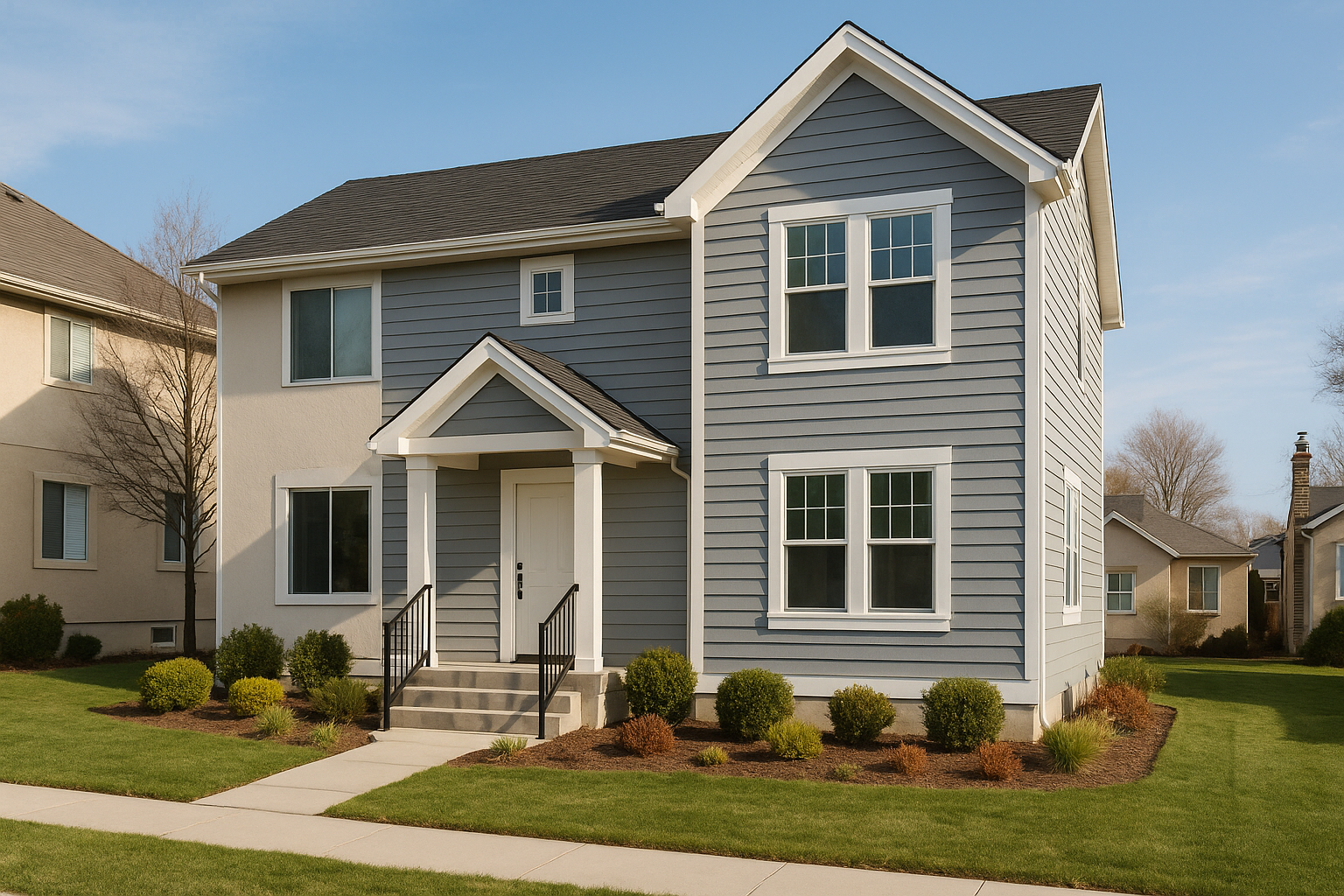
If you’re staring at your stucco and seeing hairline cracks, fading patches, or that stubborn moisture bubble you swear wasn’t there last fall, you’re not alone. Across Salt Lake City, homeowners and small businesses are switching from stucco to siding—and the change is striking. Cleaner lines. Warmer color. Less stress every time a snowstorm rolls off the Wasatch. This is your inspiration guide: real looks, smart materials, and local tips that actually work here along the Wasatch Front.
Why so many Utah homes are moving beyond stucco
First, a quick truth bomb: stucco isn’t “bad.” It can last and look good in drier climates. But Salt Lake City’s freeze–thaw patterns are relentless. One warm afternoon, one icy night—repeat. Water sneaks into tiny cracks, freezes, expands, and… you’ve seen the spider web lines. Then there’s UV at our elevation. It doesn’t just fade color; it breaks down finishes faster than you think.
Switching from stucco to siding in Salt Lake City is about performance and style. Siding systems breathe better. They shed water, not soak it up. And when done right, they’re wrapped, flashed, and vented so your walls stay dry and your heat bills stop creeping up like a canyon trail switchback.
Here’s the thing: siding isn’t magic. It won’t fix a bad roof or stop standing water around your foundation. But on most homes and storefronts here, it’s a serious upgrade—cleaner curb appeal, better moisture management, and fewer “uh-oh” moments after a spring hailburst.
Looks we love around Salt Lake City
Salt Lake isn’t one style. Avenues Victorians, Sugar House bungalows, Holladay ranches, Daybreak new builds—they each have a voice. The fun part is using Siding Replacement Salt Lake City projects to underline that voice, not erase it.
Classic-with-a-twist for older neighborhoods
Many 1920s–1950s homes do great with a smooth lap profile in a soft white or warm gray, then a bold door for flair. Add a simple board and batten gable and thick window trim, and the house suddenly stands tall. You know what? A tiny bit of contrast goes a long way.
Mountain modern without the cold vibe
Think deep charcoal lap siding on the body, cedar-tone accents, and a crisp white fascia. Black windows, yes—but balanced with warm lighting so it doesn’t feel stark at dusk, when the mountains glow. Many clients pair this with a low-sheen finish to stay easy on the eyes in bright snow.
Color crushes that actually work in Utah light
- Soft sage and cream for a calm, Wasatch foothill vibe.
- Midnight blue with natural wood for a cozy winter look that still pops in July.
- Clay, sand, and wheat for a nod to Utah’s deserts; warmer without going yellow.
For small businesses on 700 East or State Street, we’re seeing two-tone facades: smooth panels above, lap or board-and-batten below—clean, readable, very Google Maps-friendly.
Materials that actually hold up here
Picking siding is part taste, part science. Along the Wasatch, we chase moisture control, impact resistance, and stable color. Here’s a simple cheat sheet we use when we plan stucco remediation and replacements.
| Material | Look and feel | Upkeep in SLC |
|---|---|---|
| Fiber Cement Siding (e.g., James Hardie) | Crisp lines; many textures; holds paint color well | Top pick for freeze–thaw; resists fire and hail; repaint every 12–15 years |
| Engineered wood (e.g., LP SmartSide) | Warm wood look with sharp edges; lighter than fiber cement | Durable coatings; good impact resistance; needs proper clearances and flashing |
| Premium Vinyl Siding (insulated options) | Budget-friendly; improved profiles; big color library | Low maintenance; expansion gaps matter; choose darker shades with heat-rated tech |
We also use steel or aluminum panels for modern storefronts and accent walls; they shrug off UV and snow slides. Natural cedar is gorgeous as an accent, but we seal it well and plan for re-coating—Utah sun is honest.
Most projects include a smart moisture plan: house wrap or rain screen, quality flashing, and vented soffit and fascia. It’s the hidden stuff that saves you from call-backs and headaches.
Three before-and-after stories you can picture
Sugar House cottage: faded stucco to fresh lap
The problem: chalky tan stucco with spider cracks and a damp corner behind shrubs. We installed fiber cement siding in a smooth 6-inch lap, painted a crisp white, then added a soft gray belly band and charcoal gable accent. New window trim, new lights, done. The home still looks like itself—just clearer and younger. And the damp corner? We corrected grading, added a kick-out flashing, and built a small rain screen gap for airflow.
Holladay ranch: heavy texture to warm-and-clean
This 1960s ranch had lumpy stucco that always read “dingy” in afternoon light. We re-sheathed a small section, then used LP SmartSide lap with vertical board-and-batten on the entry bump-out. Color: deep blue body, natural cedar porch beam, cream trim. The owner said the house “finally smiles in photos.” We liked that.
South Salt Lake office: brittle stucco to branded facade
An older commercial building near the rail line had brittle stucco that echoed every forklift bump. We framed a clean panel system on top: insulated backer, steel panels above, and commercial siding lap below in company colors. It looks sharp on Street View, and the front office holds temp better in winter. Subtle, but staff noticed.
Performance when winter shows up early
Snow slides, ice dams, sideways rain, spring hail—Salt Lake gets a little of everything. Siding that thrives here shares a few traits: it sheds water, it breathes behind the face, and it stays put under thermal swings. Let me explain the short list:
- Moisture management: We use a dedicated drainable wrap or build a small air gap. Water that gets in also gets out.
- Flashing everywhere: Windows, doors, roof-to-wall joints—especially the tricky kick-out by gutters. It’s tiny, it matters.
- Thermal movement: Vinyl needs space to move. Fiber cement needs proper fasteners and seams. Simple, but exact.
- Vented soffit: Helps your attic breathe and fights ice dams. Pair it with correct insulation and air sealing.
- Gutter strategy: Good gutters and downspouts protect your new finish. Style and function can share a stage.
Honestly, the finish you see is half the story. The quiet, boring layers behind it keep your walls dry in February and cool in August.
Trim, color, and the art of small choices
People worry the most about color—and fair enough, color feels brave. Here’s the trick: pick one hero and let everything else play backup. If your body color is rich, keep trim calm. If your trim is bold, let the siding sit back.
Little details change everything:
- Window trim width: A 3.5-inch trim looks refined on smaller windows; 5-inch trim frames a tall facade.
- Belly bands: A simple horizontal band can break up tall walls on two-story homes in Daybreak or Draper.
- Gable vents and brackets: Punch up an A-frame without adding visual clutter.
- Lighting and house numbers: Matte black on a warm body color reads modern; aged bronze on white feels classic.
Pro tip: Color samples lie. They’re too tiny. We hang at least two larger boards on the sunniest side. Utah light is different—clear, a bit stark—and your final pick should feel good at 4 pm, not just at noon.
Budget, timelines, and the not-so-glam pieces
We hear this a lot: “Give me a real number.” Fair. Most siding replacement Salt Lake City projects run in ranges because every home has quirks: tear-off needs, sheathing repairs, complexity around windows, and the exact material. Still, some ballpark figures help.
- Vinyl siding: Often the most budget-friendly; insulated profiles cost more but save a little heat and deaden sound.
- Fiber cement: Mid to higher range, but class-leading durability and fire resistance.
- Engineered wood: Sits near fiber cement, sometimes slightly lower depending on profiles and trim.
Timelines? A typical single-family home runs 1.5–3 weeks with a full crew, weather permitting. We plan around storms, hang tarps as needed, and keep driveways usable. As for permits, Salt Lake City usually requires them for exterior cladding changes—especially on multi-family or commercial buildings. HOAs may want color reviews; we help with that packet because, well, the paperwork isn’t why you called us.
Waste matters. We separate tear-off when possible and keep sites clean. No one likes stepping over screws to get to the front door. Financing? We can point you to partners if it helps.
For businesses, HOAs, and multi-family buildings
A fresh facade changes how people feel about a space. For retail, it pulls eyes from the street. For apartments and HOAs, it builds trust—residents see care before they even get the keys. We specify systems with the right testing: fire ratings, wind loads, and realistic maintenance plans. And we think about the gritty stuff too: wall corners that get kicked by carts, lower walls where snow piles, signage mounts that won’t leak in spring melt.
We provide product data sheets, warranty docs, and mockups that match your brand palette. Clear expectations, clean install, minimal downtime—that’s the play.
You asked. We hear these questions every week.
- Will siding make my home warmer? It helps. The big win is a tighter, drier wall with fewer cold spots. Insulated siding and better air sealing are the real heroes.
- Can we mix materials? Yes, please. Lap on the body, board and batten on gables, metal at the entry—if it’s planned, it sings.
- Do I need to replace my soffit and fascia too? Often. New soffit and fascia tightens the look and boosts ventilation.
- What about warranties? We install major brands with strong finish and product warranties. Ask about James Hardie and LP SmartSide coverage.
- Is stucco removal messy? It can be. We protect windows and landscaping, run dust control, and keep a rolling cleanup.
- Will this fit my historic home? Absolutely—but we’re thoughtful with profiles and trim so it respects the era.
One more: “Is siding loud in the wind?” If it’s installed right—correct fasteners, joint spacing, and trim—no louder than any other cladding. Poor installs flap. Good ones don’t.
Salt Lake–smart planning tips from our crew
We work across the valley—Millcreek, Cottonwood Heights, Sandy, and into the benches—so we watch microclimates. North faces need extra love. Wind corridors by the canyons can flex weaker details. Spring storms can load snow against lower walls, so we treat those seams like VIPs.
We also nudge clients to think about seasonality. Dark colors look amazing against snow, but they heat up in July. That’s not a deal-breaker; just pick a product line engineered for dark tones and Utah’s UV. Paint sheen matters too: matte or low-luster looks rich and hides dust.
And because our winter inversions are real, we lean toward materials with stable finishes. Less repainting means fewer fumes, fewer trips, fewer disruptions. Simple, but it adds up.
Why Utah Siding & Exteriors?
You want a crew that shows up, measures twice, and leaves your place cleaner than it found it. That’s us. Utah Siding & Exteriors is local. We plan around your garage schedule, your kids’ nap times, and your dog who thinks every installer is his new best friend. We’ve handled tiny porches, and we’ve managed full stucco to siding conversions for multi-building sites. Different scales; same care.
We also bring brands you know—James Hardie, LP SmartSide, premium vinyl siding lines—and the building science to back them up. Our work is neat at corners and clean at seams, because that’s where trouble hides. And if your project needs new gutters, new lights, or a small porch refresh to make the whole look click, we coordinate it.
Ready to see your home in the next before-and-after?
If you’re thinking about making the switch from stucco to siding, we’d love to help you sketch the vision—and make it real. Call Utah Siding & Exteriors at 801-509-9241 to talk through styles, materials, and timelines that make sense for your place.
Prefer a few details on paper first? Tap here to Request a Free Quote. We’ll put together clear options, straight numbers, and a schedule that respects our Utah weather—and your calendar.
You don’t have to settle for fading stucco or chase cracks every spring. With the right siding system, your home or business can look sharp, stay dry, and feel like new longer. Simple as that.